


Introduction to Rental Car Sizes
When planning your next trip, one of the most important decisions is choosing the right rental car size. Rental car sizes range from compact economy cars to spacious full-size SUVs and vans, each offering unique advantages depending on your travel needs. If you’re traveling solo or as a couple, an economy car might be enough for city driving and light packing. But for family vacations, group trips, or airport transfers, you’ll want to prioritize interior space and luggage room.
Full-size SUVs are popular for their roomy interiors, generous luggage space, and the ability to tow trailers or carry extra gear. These vehicles are ideal for long road trips, family adventures, or when you need to transport a lot of equipment. Minivans, on the other hand, are designed with families in mind, offering sliding doors for easy access, lower ground clearance for simple entry, and a spacious cabin that makes packing and traveling with kids a breeze.
Understanding the differences between rental car sizes—whether you need a vehicle for a quick city trip or a cross-country journey—will help you select the best option for comfort, convenience, and value. Consider how much space you’ll need for passengers and luggage, the type of roads you’ll be driving, and any special features like towing capacity or sliding doors. With the right rental, your next trip will be smoother, more enjoyable, and perfectly suited to your group’s needs.
Key Takeaways
When planning your next trip and deciding between renting an SUV or a van, the choice comes down to three factors: group size, luggage volume, and driving conditions. If you need power, higher ground clearance, and the ability to handle light off roading or winter mountain roads, an SUV is your best bet. For maximum passenger and luggage space on paved highways, a minivan or passenger van delivers more room at often lower cost per person.
Consider concrete examples to see the difference clearly. A Toyota Sienna minivan handles 7-8 passengers with around 30+ cubic feet of cargo space behind the third row, while a Ford Explorer or Chevy Tahoe offers a more commanding ride with all wheel drive options but less space when all seats are occupied. For groups of 10 or more heading to the airport in Orlando, a 12-seater passenger van beats renting two SUVs on cost and logistics.
Total trip cost extends far beyond the daily rental rate. Factor in fuel consumption differences, toll road charges, parking fees in city centers, and one-way or airport surcharges before deciding. A fuel efficient minivan averaging 25 MPG will save hundreds of dollars over a 1,000-mile trip compared to a full size SUV getting 18 MPG.
Never rely solely on generic labels like “Full-Size SUV” or “Passenger Van” when booking. Check the specific rental description for seat count, MPG estimates, drivetrain type, and luggage capacity. Rental companies do not guarantee exact models, so photograph the vehicle at pickup and request a switch immediately if the space or safety features don’t match what you booked.
How to Decide Quickly: SUV vs. Van in Common Trip Scenarios
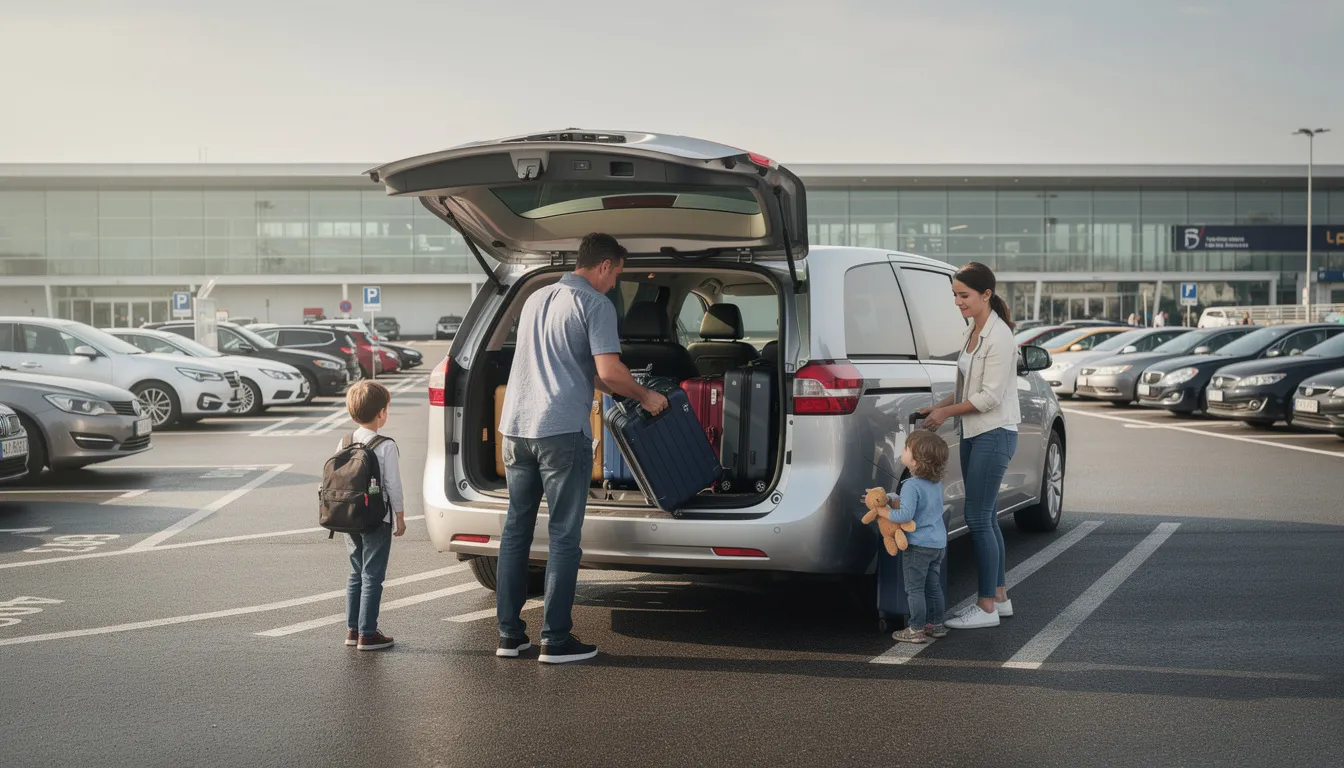
Making the right vehicle choice doesn’t require hours of research. Here’s a fast decision guide based on common travel situations from recent summer and holiday travel patterns.
July family road trip from Los Angeles to Yosemite: A midsize or full size SUV works perfectly for 4-5 people with moderate luggage. The higher ground clearance handles mountain roads, and you’ll appreciate the commanding view on winding passes. If your group grows to 6-7 with lots of gear, switch to a minivan like the Honda Odyssey for better luggage room and easier third row access.
Winter ski weekend near Denver: Choose an SUV with all wheel drive, no question. Snow conditions on mountain highways demand the capability and ground clearance that most minivans simply can’t provide. A Chevy Tahoe or similar handles chains and icy switchbacks with confidence.
Airport shuttle for 10 people in Orlando: A 12-15 passenger van is the obvious choice. One vehicle beats coordinating two SUVs, and the cost per person drops significantly when you’re not splitting fuel and parking across multiple cars.
The golden rule: count your passengers first, then count your bags, then consider your roads.
Rules of thumb for booking day:
- Choose a minivan or 8-12 seat passenger van for 5+ people with lots of bags
- Choose a midsize or standard suv for 4-5 people with mixed city and rural driving
- Choose a full size suv or premium suv for towing needs or mountain roads with unpredictable weather
- In major US cities like New York, Chicago, or San Francisco, favor minivans over tall passenger vans due to parking garage height limits
Quick booking checklist:
- Confirm total number of passengers including kids in car seats
- Count suitcases and estimate size (carry-on vs. full-size checked bags)
- Identify road conditions: paved only, gravel stretches, or potential snow
- Decide comfort priorities: prefer a high driving position or sliding doors for easy loading
Space & Seating: How Many People and How Much Luggage Really Fit?
Both SUVs and vans get advertised as “7-8 seaters,” but the reality of interior space differs dramatically once you load passengers and their belongings.
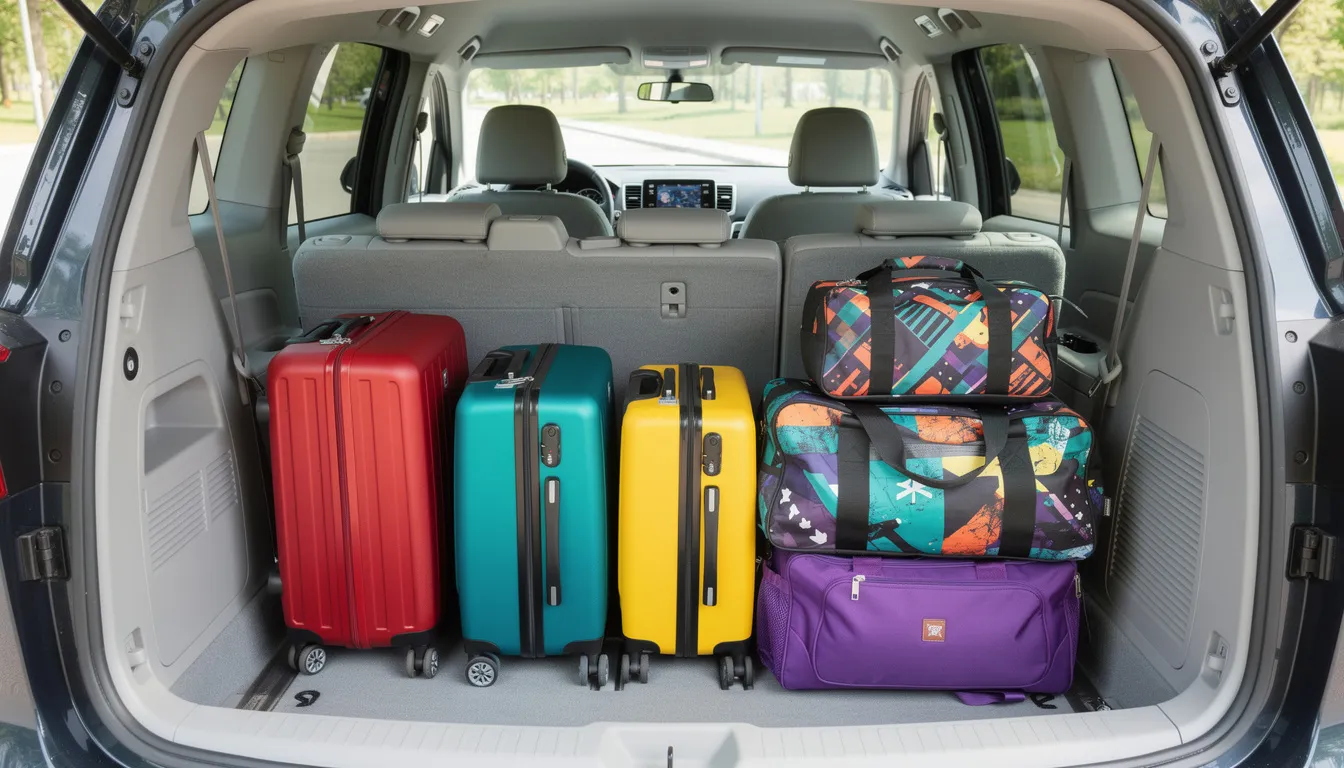
A modern minivan like the Chrysler Pacifica or Toyota Sienna genuinely accommodates 7-8 adults with around 30+ cubic feet of cargo volume behind the third row. That’s enough for 4-5 full-size suitcases without touching the seats. The people mover design means the back seat rows feel spacious rather than cramped.
Compare that to a full size suv like the Chevy Tahoe or Ford Expedition. These offer similar seating capacity on paper, but cargo space shrinks considerably when all three rows are occupied. Expect room for 2-3 large suitcases at most, forcing families to pack strategically or fold down the third row and reduce passenger count.
Passenger vans in the 12-15 seat range—think Ford Transit or Mercedes-Benz Sprinter—handle large groups but come with a trade-off. Once all seats are filled, luggage room nearly disappears. These work best for short airport transfers where passengers hold bags on laps, not week-long trips with multiple large suitcases.
Minivan advantages for families:
- Sliding doors make loading kids, strollers, and car seats vastly easier than SUV swing doors in tight parking
- Lower step-in height suits older adults and small children better than climbing into a lifted vehicle
- Third row access doesn’t require gymnastic maneuvers
Before leaving the rental lot, test the vehicle: fold and unfold the third row, load your actual suitcases, and confirm everything fits with seats in use.
A practical test at pickup prevents headaches later. If you’re traveling with 4-6 hard-shell suitcases in the 23-25 inch range, verify they actually fit before driving away. Rental companies offer similar models, and a quick swap at the counter beats repacking at your hotel.
Full Size SUV Rentals: When Bigger is Better
If you’re looking for a vehicle that combines power, comfort, and versatility, a full size SUV rental is hard to beat. These SUVs are designed for travelers who need extra interior space, ample luggage room, and the ability to handle a variety of road conditions. Whether you’re planning a family vacation, a group road trip, or simply want a luxury ride for your next adventure, full size SUVs deliver on all fronts.
Models like the Honda Odyssey and Chrysler Pacifica (often classified as minivans but sometimes grouped with full size SUVs for their space and features) offer impressive seating capacity and flexible cargo options. Many full size SUVs come equipped with all wheel drive, making them a smart choice for trips that might include rough terrain, mountain roads, or unpredictable weather. You’ll also find premium features such as advanced infotainment systems, leather interiors, and powerful engines for towing boats, trailers, or bikes.
Keep in mind, however, that full size SUVs can have higher fuel costs and may offer less space for parking in crowded city environments. Their larger size means you’ll need to plan ahead for parking, especially in urban areas. But if you value a spacious, luxurious ride with plenty of room for passengers and luggage, renting a full size SUV is an excellent way to travel in comfort and style on your next trip.
Full Size Van Rentals: Maximum Capacity for Groups
When your travel plans include a large group, a full size van rental is the ultimate solution for maximizing space and comfort. Full size vans are designed to accommodate up to 15 passengers, making them perfect for family reunions, group vacations, airport shuttles, or business outings. With generous luggage room and a spacious interior, everyone can travel together without feeling cramped or sacrificing their bags.
One of the standout features of full size vans is their sliding doors, which make loading and unloading passengers and luggage quick and easy—even in tight parking spots. The lower ground clearance also means getting in and out is simple for kids, older adults, or anyone with mobility concerns. While full size vans may not have the same power or towing capacity as large SUVs, they excel in practicality and comfort for group travel.
It’s important to note that full size vans can have higher fuel costs and may be less maneuverable in city traffic or small parking lots. However, if your priority is space, convenience, and the ability to keep your entire group together, renting a full size van is a smart and spacious choice for your next trip—whether you’re heading to the airport, a family event, or a team outing.
Driving Experience & Handling: City Streets vs. Highways vs. Rough Roads
How a vehicle feels behind the wheel matters enormously on long drives. SUVs and vans deliver fundamentally different experiences over a full day of driving.
SUVs like the Toyota RAV4 or Ford Explorer typically offer a higher driving position that gives drivers better visibility over traffic and road obstacles. The suspension runs firmer, translating to more responsive handling on curvy mountain roads or highway merges. For mixed city and highway driving with occasional gravel or snow, SUVs feel more planted and capable.
Minivans drive more like large sedans. Softer suspension absorbs highway bumps smoothly, making them ideal for 6-10 hour stretches on interstate highways. The lower ground clearance that limits off roading capability actually benefits everyday driving with less body roll in corners. For family vacation routes from Dallas to Houston or Paris to Lyon, minivans deliver a relaxed, car-like ride.
Large passenger vans (12-15 seats) present unique challenges. Their height catches crosswinds on open highways, requiring constant steering corrections. The longer wheelbase demands wider turns and more careful maneuvering in parking lots. Some regions impose lower speed limits or special lane restrictions on vehicles over certain weights, adding complexity to route planning.
City driving considerations:
- Midsize SUVs navigate town centers and parking garages better than full-size options
- Minivans fit standard parking spaces and handle urban errands with ease
- Large passenger vans struggle in dense traffic and may not fit underground parking
For European trips through Rome, Barcelona, or historic US downtowns like Boston or Charleston, narrow streets and low parking garage ceilings make smaller SUVs or standard minivans far less stressful than trying to squeeze a tall Sprinter van through centuries-old infrastructure.
Fuel Economy, Cost, and Budget Planning
The price difference between SUVs and vans looks obvious on booking sites, but fuel cost and extra fees can flip which option is truly cheaper for your trip.
Realistic fuel consumption ranges:
| Vehicle Type | Highway MPG | Tank Fill at $3.50/gal |
|---|---|---|
| Modern Minivan (Sienna, Pacifica) | 22-28 MPG | ~$55-65 |
| Midsize SUV (RAV4, Explorer) | 24-30 MPG | ~$50-60 |
| Full-Size SUV (Tahoe, Expedition) | 16-20 MPG | ~$80-100 |
| 12-15 Passenger Van (Transit) | 14-18 MPG | ~$90-120 |
Example calculation for a 1,000-mile US road trip:
A minivan averaging 25 MPG uses 40 gallons of gas, costing roughly $140 at $3.50 per gallon. A full size suv averaging 18 MPG burns through 56 gallons, costing $196. That’s $56 in fuel savings—enough to cover a nice dinner for the family.
A 12-passenger van averaging 16 MPG needs 62.5 gallons, costing $219. The per-person savings only materialize when you’re actually filling most seats.
Pricing patterns to expect:
- Minivans often carry lower daily rates than large SUVs with similar seat counts
- 12-15 passenger vans may require extra insurance or carry age requirements (often 25+)
- Premium suv models come with premium prices but sometimes offer better economy options
- Economy brands offer better value for highway-focused trips
Hidden fees add up fast. Check for toll road transponder surcharges, young driver fees (often $20-30 daily for drivers under 25), additional driver charges ($10-15 per day), and one-way drop fees that can exceed $100. Enterprise and other major rental companies list these in the fine print—read before you reserve.
Capability & Conditions: Weather, Terrain, and Towing
Some trips demand specific capabilities that push the decision firmly toward SUVs regardless of other factors.
When you need an SUV:
- Ski trips to Colorado, Utah, the Alps, or Canadian Rockies with expected snow
- Camping at muddy or unpaved campsites in national parks
- Mountain roads with switchbacks, gravel sections, or steep grades
- Any trip where you’re heading into uncertain winter weather
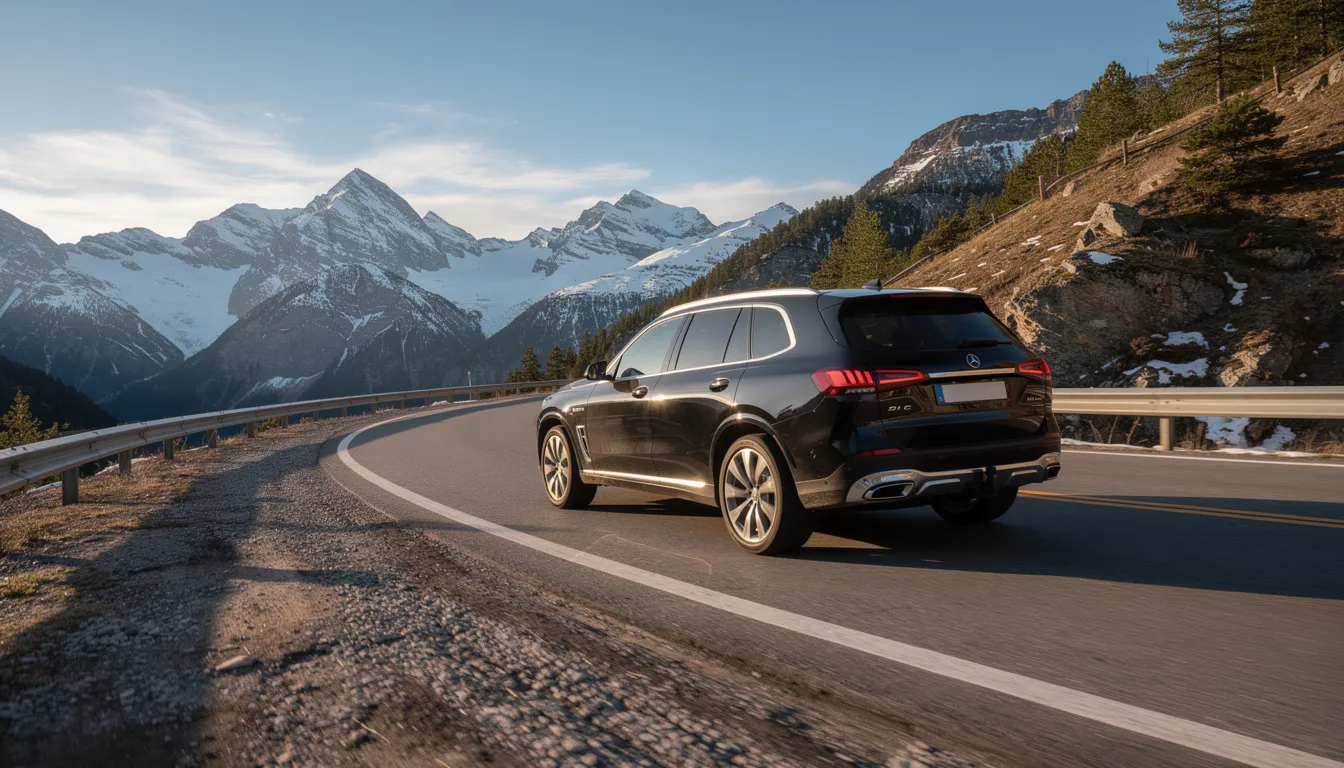
Many full-size and midsize SUVs offer AWD or 4WD paired with 7-9 inches of ground clearance. This combination handles conditions that would leave a minivan stuck or sliding. The power to climb grades with a full load of passengers and luggage matters on mountain highways.
Most minivans run front-wheel drive with lower ground clearance optimized for paved roads. A few AWD options exist—the Toyota Sienna AWD being the most common in rental fleet—but availability varies dramatically by location. Don’t count on finding one without booking specifically.
Towing reality check:
Most standard car rental contracts in North America and Europe explicitly forbid attaching trailers or towing with rental vehicles, even if the vehicle has a hitch receiver.
If your trip requires towing bikes, boats, or campers, you’ll typically need to rent from a dedicated truck rental division rather than standard car rental companies. The power and capability might be there in that Suburban, but the contract probably prohibits using it.
For purely highway trips in moderate weather—summer drives from Los Angeles to San Diego or Paris to Lyon—prioritize space and comfort over off-road capability. A minivan or smaller passenger van handles these routes perfectly while saving money.
Comfort, Features, and Tech for Families and Groups
On days when you’re spending 6-10 hours in the vehicle, seat comfort and available features matter as much as raw room and cargo capacity.
Minivan comfort advantages:
- Power sliding doors let kids open them without swinging into adjacent cars
- Easy third row access without climbing over folded seats
- Multiple USB ports distributed across all rows for device charging
- Tri-zone climate control keeps everyone comfortable
- Car seat LATCH anchors positioned for easy installation
- Abundant cup holders and storage cubbies for snacks and small items
SUV premium features:
- Leather interiors create an upscale feel for business travel
- Advanced driver-assist systems (adaptive cruise control, lane-keeping assist) reduce fatigue
- Large touchscreens with Apple CarPlay/Android Auto integration
- Higher driving position provides a luxury ride feel
- Cool tech packages often include heads-up displays and premium audio
Large passenger vans prioritize capacity over refinement. Expect simpler interiors, fewer charging ports, and more basic sound insulation. For big groups on short airport transfers, this works fine. For long highway trips, the noise and vibration lead to more fatigue than a well-equipped minivan or SUV.
Before finalizing your booking, check the listing or call the location to confirm: number of USB ports, rear climate controls, and Apple CarPlay/Android Auto availability.
These features aren’t guaranteed even within a vehicle class. A Chrysler Pacifica might have everything; a base-model competitor might lack rear AC vents entirely.
Parking, Height Limits, and City Practicalities
Vehicle size affects more than interior space—it determines where you can park, what you pay for parking, and how stressful navigating feels in unfamiliar cities.
Common parking height limits to know:
| Location Type | Typical Height Limit | Vehicles That Fit |
|---|---|---|
| Older parking garages | 6’6” – 7’0” | Most minivans, compact/midsize SUVs |
| Airport parking structures | 7’0” – 7’6” | Most SUVs, some passenger vans |
| Hotel underground parking | 6’6” – 7’0” | Minivans, smaller SUVs only |
Tall passenger vans and roof-rack-equipped SUVs risk scraping in dense city parking. That sickening crunch of fiberglass on concrete costs real money—and real vacation stress.
Minivans and midsize SUVs slide into standard parking spaces without the anxiety of clipping mirrors or blocking traffic. For trips with frequent hotel stops or attraction visits, this ease compounds into significant time and stress savings.
Practical parking tips:
- Pre-check your hotel’s parking garage maximum height and daily cost before booking your vehicle
- Never leave luggage, electronics, or valuables visible in any rental car
- Plan to unload bags before entering very tight urban garages
- Budget $30-50 daily for parking in major cities like San Francisco, Manhattan, or London
In European old towns—Florence, Dubrovnik, the winding streets of Barcelona’s Gothic Quarter—even a “full-size” American SUV feels massive. Narrow lanes, restricted traffic zones, and tiny parking spots make a compact minivan or small SUV dramatically less stressful than navigating a long wheelbase van through medieval infrastructure.
Rental Policies, Insurance, and Age Restrictions for SUVs vs. Vans
Rental terms differ meaningfully between SUVs, minivans, and large passenger vans—particularly around who can drive and what insurance covers.
Age requirements:
- Most agencies rent minivans and SUVs to drivers 21+ (with young driver fees for under-25)
- 12-15 passenger vans often require drivers to be 25 or older
- Some premium suv models carry similar 25+ requirements
Insurance considerations:
- Credit card rental coverage frequently excludes vehicles over certain weight limits
- Large passenger vans (especially 12+ seats) may fall outside standard policies
- Check your personal auto insurance for rental coverage gaps before choosing a big van
- Rental company collision damage waivers run higher on larger, more expensive vehicles
Contract restrictions to verify:
- Maximum occupancy (don’t exceed stated seat belt count)
- Cross-border restrictions (taking a van from Germany into Eastern Europe may be prohibited)
- Mileage limits that differ between an suv rental and a van category
- Off-road exclusions that void coverage if you leave paved roads
Keep copies of your booking confirmation, driver’s license, and International Driving Permit (if required) readily accessible throughout your trip.
Read the rental terms specifically for your vehicle class before signing. A towing prohibition that applies to SUVs might not be obvious until you’ve already made plans to bring bikes on a hitch.
Booking Tips: Getting the Right Vehicle and Avoiding Surprises
Rental categories work on “or similar” guarantees, meaning planning ahead helps ensure you actually receive something matching your SUV or van needs.
Book early for popular vehicles:
- Reserve 4-8 weeks ahead for peak seasons: summer holidays, Christmas, spring break
- Minivans sell out fastest for family vacation travel
- Multi-row SUVs disappear quickly at ski resort locations
- Airport locations near theme parks (Orlando, Anaheim) need especially early booking
Research the fleet before you reserve:
Study the example models listed with each category. When a site shows “Toyota Sienna or similar” or “Chevy Suburban or similar,” look up independent reviews of those specific models. Online forums reveal real-world experiences with cargo space, seat comfort, and reliability that marketing photos hide.
Pickup day inspection checklist:
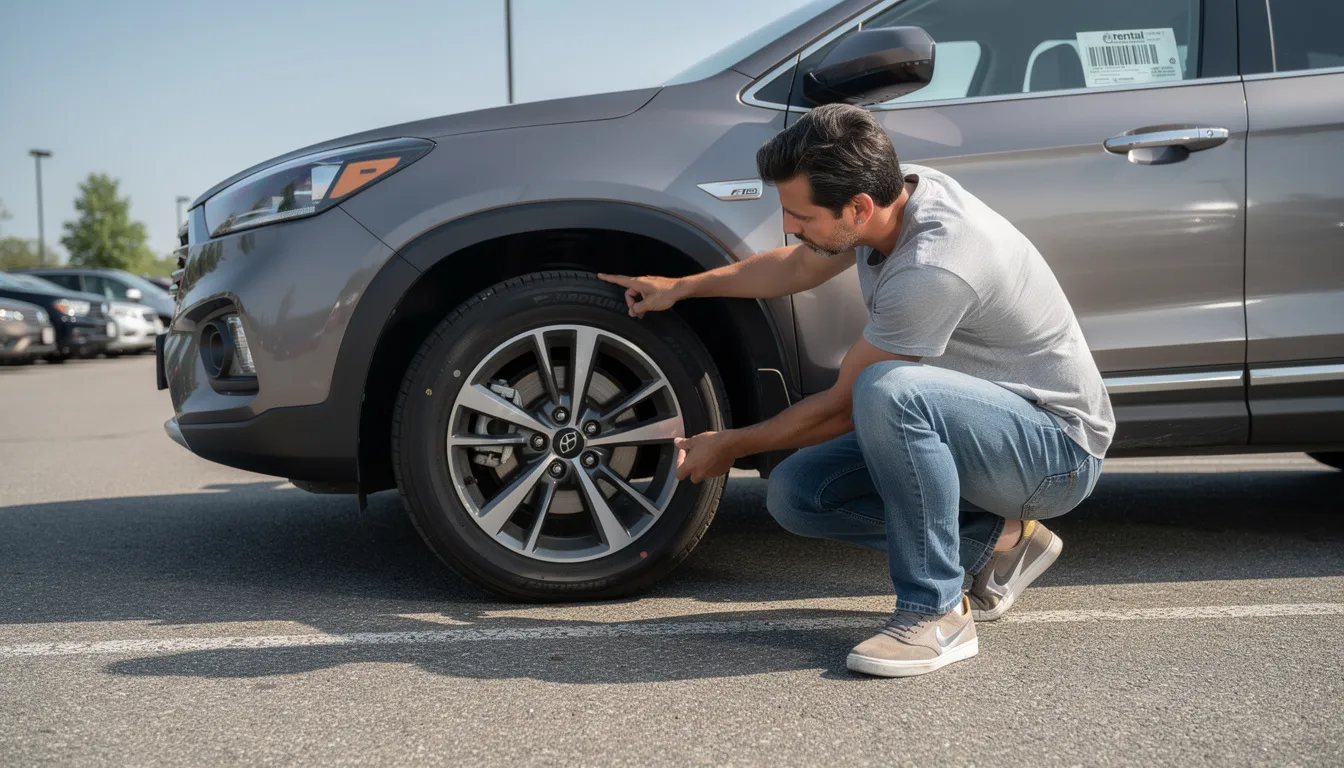
- Walk around the vehicle documenting any existing damage with photos
- Verify tire condition (adequate tread, proper inflation, no visible damage)
- Test all lights, including turn signals and brake lights
- Run the AC to confirm it cools properly
- Check that seat belts work in all rows and match the booked seat count
- Test the power sliding doors and third row access
- Confirm gas tank level matches the contract
If the vehicle provided has less space, missing seats, or clearly lacks features you booked (like AWD you paid extra for), don’t leave the lot without resolution. Politely but firmly request another vehicle or ask to speak with a supervisor. Once you drive away, your leverage disappears.
FAQ
Is a minivan or SUV better for a long highway road trip with 6 people and luggage?
For a mostly highway trip with six adults and several full-size suitcases, a modern minivan is usually more comfortable and fuel efficient than a three-row SUV. Minivans offer easier third row access, more cargo space behind the rear seats, and better fuel economy over 800-1,500 miles of driving. The smoother ride quality and lower seating position also reduce driver fatigue on long days. Reserve a Chrysler Pacifica or Honda Odyssey for the best balance of space and economy.
Do I need all-wheel drive if I’m renting in winter?
If you expect snow or ice—for example, driving to ski resorts in Colorado, Utah, the Alps, or Canadian Rockies—AWD or 4WD plus proper winter or all-season tires is strongly recommended. Many SUVs offer AWD as standard or optional; only a few minivan models do. On plowed urban roads with mild winters, front-wheel drive with good tires can be sufficient, but check weather forecasts before making the final decision. When in doubt, upgrade to an SUV with verified AWD capability.
Are large 12-15 passenger vans harder to drive than SUVs?
Yes, large passenger vans present genuine challenges compared to SUVs. They’re longer, taller, and heavier, requiring more room to turn, longer stopping distances, and careful attention when parking. Crosswinds affect tall vans significantly on open highways, making steering more tiring. Drivers not comfortable with large vehicles often find that renting two smaller vehicles—perhaps a minivan plus a midsize SUV—reduces stress while still accommodating everyone.
Can I sleep in an SUV or van during a road trip?
Some renters fold the rear seats flat in an SUV or minivan for occasional rest stops, but rental contracts may specifically forbid “camping” or overnight vehicle occupancy. Beyond the contract, safety matters: only park where it’s legal and secure, ensure adequate ventilation, and never run the engine for heat in enclosed spaces. For actual overnight accommodations, official campgrounds or hotels remain safer and more comfortable than improvised vehicle sleeping.
What if the rental company gives me a different model than the one I booked?
Rental reservations guarantee a category, not an exact model. If the substitute vehicle has fewer seats, significantly less luggage space, or lacks a critical feature you paid extra for, calmly explain the issue at the counter. Show your booking confirmation specifying what you expected. Request a comparable or upgraded option before accepting keys. Document everything with photos and keep copies of all communications in case disputes arise later with your credit card company or travel insurance.
Conclusion
Choosing the right rental car size is key to a successful and stress-free trip. Whether you need maximum interior space, extra luggage room, towing capability, or simply want a fuel-efficient ride, there’s a rental car size to match your needs. From economy cars for city breaks to full size SUVs and vans for family vacations or group adventures, understanding the features and trade-offs of each category will help you make the best choice for your next trip.
Before booking, compare models, check with rental companies about availability, prices, and included features, and consider options like all wheel drive, premium sound systems, or bike racks if they’ll enhance your journey. Don’t forget to factor in fuel costs, parking, and any special requirements for your destination. With a little research and planning, you’ll find the perfect vehicle—ensuring your next trip is comfortable, convenient, and memorable from start to finish.
Book the right SUV
Compare SUV rental deals for the class this trip actually needs.

Written by Jake Ryder
Jake Ryder is the founder and lead reviewer at Road SUV. He has spent more than a decade behind the wheel of everything from subcompact crossovers to full-size 4x4s, logging thousands of highway and off-road miles across the United States. His reviews focus on what actually matters to real drivers: cargo space you can use, safety features that work, and honest talk about fuel economy and pricing.