


Key Takeaways
- SUVs have become one of the most popular rental car categories worldwide, with compact and midsize crossovers like the Nissan Rogue, Toyota RAV4, and Mazda CX-5 dominating demand due to their balance of space, comfort, and fuel economy.
- While SUVs lead for families and groups, economy and compact cars such as the Nissan Versa, Toyota Corolla, and Volkswagen Jetta still dominate among solo travelers and budget-conscious renters—meaning “most popular” depends heavily on traveler type and destination.
- Major rental fleets have shifted significantly toward SUVs, dedicating large portions of inventory to crossovers including electric and hybrid models to match evolving customer preferences.
- SUVs offer practical advantages like more cargo space, elevated driving position, and all wheel drive capability, but come with trade-offs including higher daily rates and reduced fuel efficiency compared to smaller vehicles.
- This article compares SUVs against other rental categories, breaks down SUV types by size class, and provides practical guidance on when renting suvs makes sense—and when it doesn’t.
How Popular Are SUVs in Today’s Rental Fleets?
SUV popularity in the car rental market surged through the mid-2010s and has only accelerated since. By 2023, many major rental brands reported that SUVs and crossovers represented their largest or fastest-growing vehicle segment. This shift reflects broader consumer preferences—the same trend that has made crossovers the best-selling body style in the U.S. new car market.
Looking at typical fleet mixes at big agencies, compact and midsize SUVs now appear prominently alongside traditional staples like the Toyota Camry, Chevrolet Malibu, and Nissan Versa. While passenger cars still hold significant fleet share overall—approximately 60% of the 2024 composition according to industry data—the SUV sub-segment within that category has grown substantially, driven by OEM incentives for electrified crossovers and strong consumer demand.
When rental companies talk about “SUVs,” they typically mean car-based crossovers. Models like the Nissan Rogue, Mazda CX-5, Hyundai Kona, and Kia Sorento frequently top rental vehicle rankings in 2024-2025 car guides. These aren’t the truck-based SUVs of decades past—they’re essentially taller, more spacious alternatives to standard cars that offer better visibility and cargo room without sacrificing drivability.
In North America and parts of Europe, SUVs are often the most requested body style, particularly for leisure rentals. However, in dense cities and certain international markets, economy and compact cars maintain comparable or even higher booking volumes due to tight city streets and parking constraints.
How SUVs compare to other rental categories in demand:
- SUVs dominate airport pickups and family vacations where space matters most
- Standard cars and sedans remain popular for business travelers seeking economy
- Compact cars lead in urban destinations where parking is limited
- Minivans compete directly with full size SUV options for large families

What Makes SUVs So Attractive to Renters?
Many travelers choose SUVs for a combination of space, comfort, advanced safety features, and perceived status—even when daily rates run higher than for standard cars. The appeal extends beyond practicality into how the vehicle makes renters feel during their trip.
Space and Comfort
- Seating capacity: Most SUVs offer 5-seat layouts, while midsize and full-size options like the Kia Sorento and Chevy Suburban can accommodate 7-8 passengers
- Cargo flexibility: Fold-flat second and third rows create room for bulky items, sports equipment, and heavy loads
- Spacious interiors: Even compact SUVs like the Mazda CX-5 provide extra room for couples who want a comfortable ride without needing a massive vehicle
- Passenger comfort: More passengers travel comfortably with additional legroom and headroom compared to compact cars
Safety and Driving Position
The elevated driving position is one of the most cited reasons renters prefer SUVs. This higher ground clearance translates to better visibility in traffic and a greater sense of security on the road.
Modern 2022-2025 model-year SUVs commonly include:
- Lane-keeping assist and blind-spot monitoring
- Adaptive cruise control for long trips
- Forward collision warning with automatic emergency braking
- Backup cameras and 360-degree parking views
These features make family road trips less stressful and help unfamiliar drivers navigate new destinations with confidence.
Versatility Across Trip Types
SUVs handle a remarkable range of use cases that smaller vehicles simply can’t match:
- City driving: Compact crossovers navigate urban environments nearly as well as sedans
- Outdoor adventures: AWD versions tackle snow, gravel, and unpaved roads that would challenge a typical sedan like the Nissan Versa or Mitsubishi Mirage
- Beach and ski trips: Extra space accommodates gear that won’t fit in a trunk
- Airport pickups: Sufficient luggage capacity for groups arriving with multiple bags
Perception and Premium Feel
Many travelers view SUVs as more modern or premium than base compact and economy cars. This perception often reflects reality—popular rental SUVs frequently include:
- Leather or leatherette seating surfaces
- Dual-zone or tri-zone climate control
- Larger touchscreens with Apple CarPlay and Android Auto integration
- Premium audio systems
This upscale driving experience matters to renters who see their vehicle as part of the vacation experience, not just transportation.
Types of Rental SUVs and How They Compare
Rental companies categorize SUVs into size classes similar to how they list sedans—economy, compact, midsize, and full-size. Understanding these distinctions helps you match the right rental vehicle to your needs.
Compact SUVs
Compact crossovers represent the sweet spot for many renters. Models like the Hyundai Kona, Mazda CX-5, and Nissan Rogue seat 5 passengers comfortably while offering significantly more cargo space than a compact car.
Key characteristics:
- Similar maneuverability to sedans in tight spaces
- Fuel efficient relative to larger SUVs
- Adequate room for 2-4 travelers with moderate luggage
- Typically the most cost effective SUV option
- Well maintained fleets include current model years with modern tech
Midsize SUVs
Midsize options like the Kia Sorento bridge the gap between compact crossovers and full-size haulers. Many offer optional third-row seating, expanding capacity to 7 passengers when needed.
Key characteristics:
- Three-row configurations available for more passengers
- Substantially more cargo room than compact options
- Power suitable for towing or carrying heavy loads
- Balance between space and fuel economy
- Popular choice for family trips with 5-6 travelers
Full-Size SUVs
When you need maximum capacity, vehicles like the Chevy Suburban deliver. These large 7-8 seat SUVs suit big families, group travel, and trips requiring substantial luggage or gear.
Key characteristics:
- Seats for large families or groups of 7-8
- Enormous cargo capacity even with all rows occupied
- Tow capability for trailers or recreational equipment
- Higher fuel consumption and rental costs
- May be challenging on narrow city streets
Premium and Luxury SUVs
Luxury SUVs mirror the refinement of premium sedans like the BMW 5 Series or Audi A6, adding the elevated seating position and extra space that SUVs provide.
Key characteristics:
- High-end interior materials and finishes
- Advanced driver assistance technology
- Often standard all wheel drive
- Targeted at business travelers and high-end leisure trips
- Premium pricing reflects the upscale driving experience
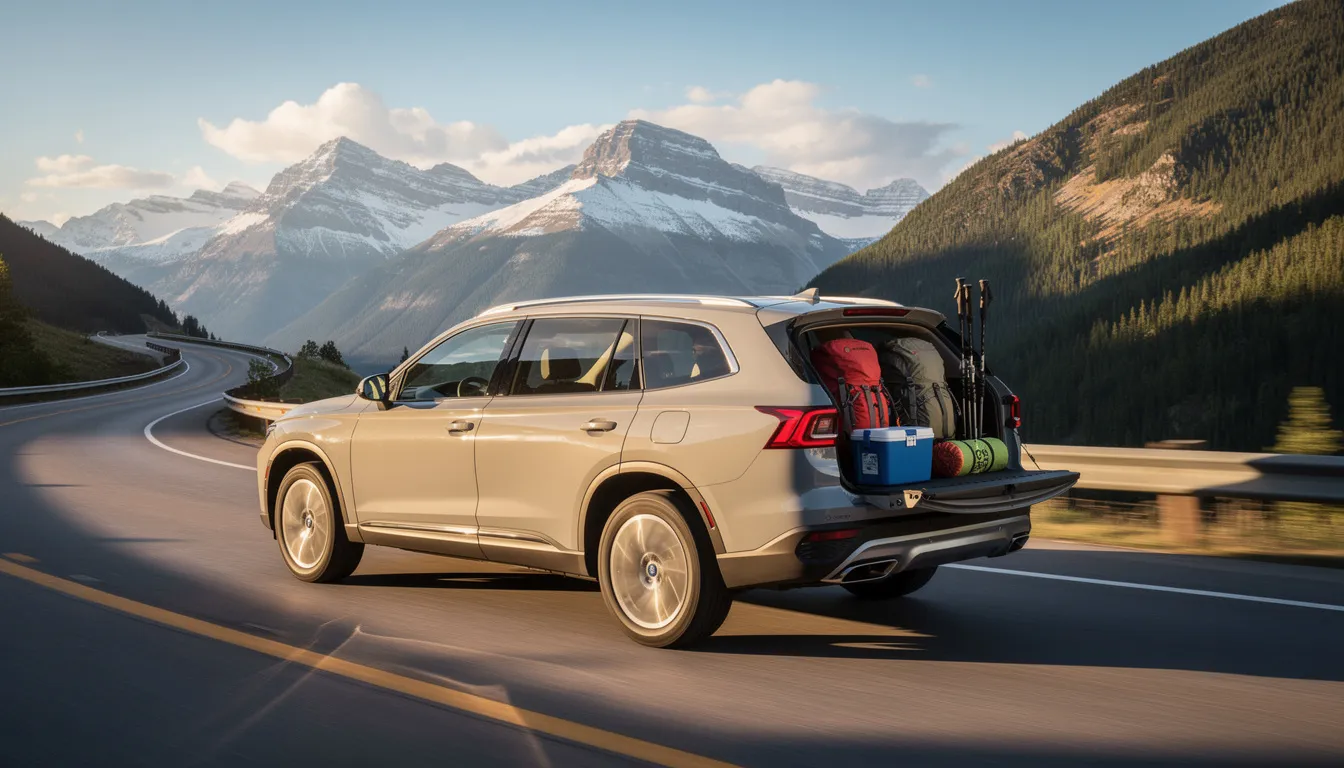
Are SUVs Really More Popular Than Sedans and Economy Cars?
SUVs and crossovers often outrank individual sedan categories when measuring total rental demand. However, economy, compact, and midsize sedans like the Toyota Camry, Mazda3, and Volkswagen Jetta remain strong choices for price-sensitive renters looking to minimize cost.
Different Travelers, Different Preferences
The vehicle availability data tells a nuanced story:
| Traveler Type | Preferred Rental Category | Typical Models |
|---|---|---|
| Families with kids | Midsize/Full-size SUV | Kia Sorento, Suburban |
| Solo travelers | Economy/Compact | Nissan Versa, Corolla |
| Business travel | Midsize sedan or compact SUV | Camry, Mazda CX-5 |
| Budget couples | Compact car | Volkswagen Jetta, Mazda3 |
| Large groups | Full-size SUV or minivan | Suburban, Chrysler Pacifica |
Families and groups heading to airports for vacation typically favor SUVs and minivans like the Chrysler Pacifica. Meanwhile, solo travelers and couples focused on budget optimization gravitate toward economy or compact categories such as the Mitsubishi Mirage or Nissan Versa.
The Electric Vehicle Factor
Electric vehicles have added interesting complexity to rental preferences. Small EVs like the Tesla Model 3 attract renters seeking zero-emission options, but electric SUVs like the Kia EV6 particularly appeal to those who already want SUV space and see electrification as a bonus rather than a compromise.
The rental industry’s EV experiment has been mixed—Hertz notably sold 30,000 EVs in 2024 after scaling back ambitious electrification plans—but customer interest in electric suv rentals continues growing, especially in markets like California where ZEV mandates are pushing fleets toward electrification.
The Upgrade Effect
Here’s something many travelers experience: when you book a “standard” or “full-size” car, you may receive an SUV instead. Because rental fleets now hold so many crossovers, automatic upgrades to SUVs have become common. This reinforces the perception that SUVs dominate even when renters didn’t specifically request them.
The bottom line: measured by broad category, SUVs and crossovers are often the most popular rental body style in terms of demand. But sedans and economy cars continue dominating the cheapest price brackets and remain the go-to choice for short urban trips where minimal cost matters most.
Pros and Cons of Choosing an SUV as a Rental
SUVs aren’t automatically the best choice for every trip. Smart renters balance advantages against cost, fuel consumption, and practical considerations like parking before making their selection.
Advantages of SUV Rentals
Space and flexibility:
- Generous passenger and cargo space for families and groups
- Fold-flat second and third rows accommodate bulky items and luggage
- More cargo space means fewer compromises on what you can bring
- Extra space for sports equipment, strollers, or shopping finds
Capability and comfort:
- All wheel drive versions handle snow, rain, and rural routes better than most sedans
- Higher ground clearance manages rough roads and light off-road conditions
- Smooth ride quality on highway drives
- Comfortable seating for long trips reduces fatigue
Features and perception:
- Modern SUVs typically include comprehensive safety technology
- Premium trims offer comfort rivaling luxury sedans
- Many travelers prefer the elevated driving position for better visibility
Disadvantages of SUV Rentals
Cost considerations:
- Higher daily rental rates compared to economy or compact cars
- Fuel economy typically worse than small sedans or hybrids like the Toyota Prius
- Insurance costs may run higher for larger vehicle classes
- Some agencies charge more for premium SUV insurance coverage
Practical challenges:
- Larger footprint makes parking in tight urban spaces difficult
- Older full-size SUVs can be particularly thirsty at the pump
- Not all parking garages accommodate larger SUV heights
- Maneuverability suffers compared to smaller vehicles
When SUVs Become Cost Effective
For groups of 4-6 travelers, one midsize or full-size SUV often costs less overall than renting two smaller cars. When you factor in:
- Daily rates for two economy cars versus one SUV
- Double the fuel stops (though individual fuel economy may be better)
- Two sets of insurance coverage
- Two parking fees at hotels and attractions
The math frequently favors the single larger vehicle, making SUVs surprisingly economical for the right group size.
When an SUV Is the Best Rental Choice (and When It Isn’t)
This section provides practical scenarios to help you quickly decide whether to follow the SUV trend or stick with compact, midsize, or specialty vehicles based on your specific travel plans.
When SUVs Shine
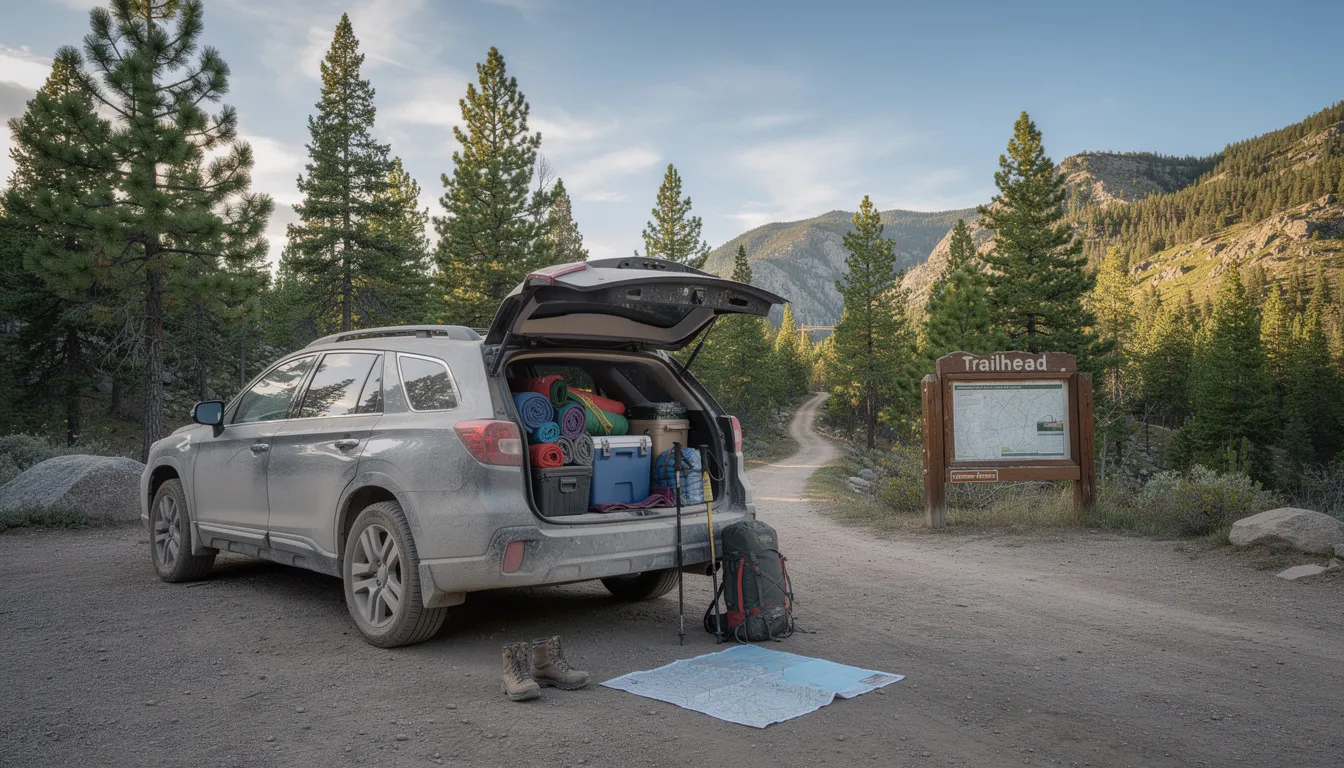
Family vacations with 3-7 passengers: A family of 5 flying in for a week-long trip will appreciate a Kia Sorento or similar midsize SUV far more than squeezing into a Toyota Corolla. The extra room for car seats, strollers, and vacation luggage transforms the driving experience.
Ski or beach trips with bulky gear: Sports equipment, surfboards, ski boots, and beach gear demand space that compact cars simply don’t offer. SUVs handle this effortlessly with their flexible cargo configurations.
Long highway drives: When your itinerary includes substantial driving, the comfort advantages of SUVs justify their higher cost. Family road trips across multiple states become more pleasant with room to spread out.
Rural or mountainous routes: If your destination includes unpaved roads, mountain passes, or winter conditions, the ground clearance and available wheel drive options on SUVs provide genuine practical advantages.
Groups of 7-8: When your party exceeds six people with substantial bags, only a Chevy Suburban or comparable full size suv (or a minivan) will realistically accommodate everyone.
When Smaller Vehicles Are Smarter
Solo or two-person business travel in cities: A compact or midsize car like the Mazda3, Toyota Camry, or Volkswagen Jetta is cheaper, easier to park, and typically more fuel efficient. For business travelers focused on efficiency, SUVs add cost without proportional benefit.
Urban-only itineraries: Navigating city streets, tight parking structures, and parallel parking spots becomes significantly easier in a compact sedan. Cities like San Francisco, Boston, or most European destinations penalize oversized vehicles.
Budget-focused travel: If minimizing rental cost is your priority, economy cars deliver the lowest daily rates and best fuel economy. The savings compound on longer rentals.
Couples without extensive luggage: Two travelers with carry-on bags don’t need SUV space. A compact car provides everything required at a lower price point.
Don’t Forget the Alternatives
SUVs aren’t always the answer even when you need space:
- Minivans like the Chrysler Pacifica often provide more usable interior space than SUVs, with easier entry/exit for passengers and superior cargo capacity behind the third row
- Station wagons where available offer car-like handling with expanded cargo room
- Performance and specialty cars (Mustang, Camaro, Corvette) serve driving enthusiasts far better than any SUV
Consider what actually matters for your trip rather than defaulting to what feels popular.
FAQs
Are SUVs always more expensive to rent than compact or midsize cars?
Daily rates for SUVs typically run higher than economy, compact, and many midsize sedans. However, promotions, off-peak seasons, and long-term rentals can narrow the gap significantly. For groups of 4 or more, the total trip cost per person often favors SUVs once you account for needing just one vehicle instead of two, single insurance coverage, and consolidated parking fees.
Do rental companies guarantee a specific SUV model?
Rentals typically book by class—“Nissan Rogue or similar”—rather than exact model. You’re guaranteed the size and general features of that category, but the specific vehicle depends on what’s available when you arrive. Some premium or specialty SUV bookings allow more precise selection, but expect flexibility with standard reservations. The dealership equivalent of “we’ll find you something comparable” applies.
Are SUVs much worse on fuel than other rental options?
The fuel economy picture has improved substantially. While older and full-size SUVs remain thirsty, modern compact and midsize SUVs often achieve highway efficiency close to midsize sedans—sometimes within 3-5 MPG. Hybrid SUVs narrow the gap further, and electric SUVs like the Kia EV6 eliminate fuel costs entirely (though require planning for charging infrastructure).
Is it harder to park an SUV in European or dense urban cities?
Large SUVs can be genuinely challenging in narrow streets and compact parking spaces common throughout European city centers. Many parking structures have height restrictions that exclude full-size SUVs entirely. For destinations like Paris, Rome, or Amsterdam, compact SUVs or compact cars make significantly more practical choices. Save the Suburban for American road trips.
What driver’s license or experience do I need to rent an SUV?
In most countries, a standard driver’s license and the same minimum age requirements that apply to rental cars (typically 21-25, varying by location and company) also apply to SUVs. However, young-driver surcharges often run higher for larger or premium SUV classes, and some agencies restrict full-size SUV rentals to drivers over 25. Check specific requirements when booking, especially for luxury or specialty SUV categories.
Book the right SUV
Compare SUV rental deals for the class this trip actually needs.

Written by Jake Ryder
Jake Ryder is the founder and lead reviewer at Road SUV. He has spent more than a decade behind the wheel of everything from subcompact crossovers to full-size 4x4s, logging thousands of highway and off-road miles across the United States. His reviews focus on what actually matters to real drivers: cargo space you can use, safety features that work, and honest talk about fuel economy and pricing.