


Key Takeaways
- 4×4 and AWD SUV rentals provide essential traction for snow, mountains, and off-road trips across the US, Canada, and Europe—making them the perfect choice for winter ski trips and rugged adventures.
- Popular rental options range from rugged models like the Jeep Wrangler and Toyota 4Runner to premium SUVs like the Range Rover and Mercedes G-Class, with most rental companies listing vehicles as “or similar” based on availability.
- Booking 4-8 weeks in advance for winter 2026-2027 and peak summer months (June through August) secures the best availability and lowest prices at high-demand locations.
- Major car rental brands (Enterprise, Hertz, Avis, Budget, SIXT) and peer-to-peer platforms like Turo all offer 4×4 options, but exact models and vehicle features vary significantly by location.
- Beyond the base rate, renters should factor in insurance, mileage limits, fuel costs, and essential add-ons like snow tires and roof racks when calculating total trip expenses.
What Is a 4×4 SUV Rental and Who Is It For?
A 4×4 SUV rental refers to sport utility vehicles equipped with four-wheel drive (4WD) or all wheel drive (AWD) systems that distribute power to all four wheels rather than just two. This fundamental difference from standard two-wheel drive rental cars gives these vehicles significantly better traction on challenging surfaces like snow, mud, sand, or steep inclines.
Understanding when you actually need a 4×4 versus a standard vehicle can save you money and ensure you have the right vehicle for your trip.
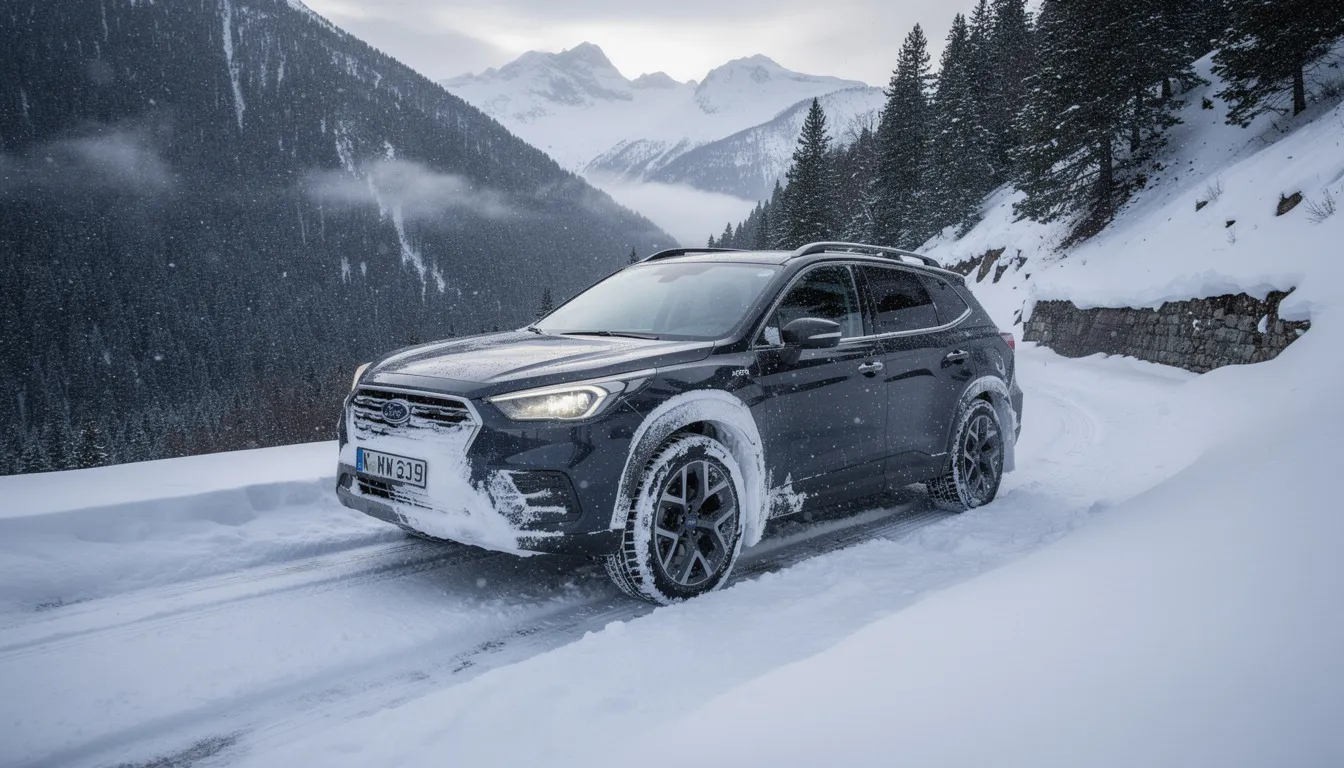
Common use cases for 4×4 SUV rentals include:
- Ski trips to Colorado, Utah, and Lake Tahoe where mountain passes can be icy and resorts sit at high elevations
- Off-road trails in Arizona and Utah including destinations like Moab, Sedona, and the Grand Staircase
- Gravel and mountain roads in Iceland and Norway where paved infrastructure gives way to rugged F-roads and fjord access routes
- Rural trips in Canada from the Rockies to remote provincial parks with unpaved access roads
- National park adventures where scenic drives may include gravel, steep grades, or inclement weather conditions
4WD vs. AWD: What’s the difference?
The terms are often used interchangeably in rental listings, but they describe different systems:
- 4WD (Four-Wheel Drive): Typically features a selectable mode with low-range gearing for extreme off-roading. Found in vehicles like the Jeep Wrangler and Toyota 4Runner. You engage it when needed.
- AWD (All-Wheel Drive): Automatically distributes power to all wheels without driver input, optimized for varied conditions like rain, light snow, and mixed surfaces. Common in crossovers and many modern SUVs.
Before renting, always check local requirements. States like Colorado mandate chains or winter tires on specific routes during certain months. Countries like Switzerland require winter equipment from November through April.
Benefits of choosing a 4×4 SUV rental:
- Extra traction on snow, ice, mud, and gravel surfaces
- Higher ground clearance to navigate rough roads and deep snow
- Ample cargo space for ski gear, camping equipment, and luggage
- Safer winter driving with improved stability in inclement weather
- Confidence on scenic backroads where 2WD vehicles might struggle
Best 4×4 SUV Models to Rent in 2026
Traveling with six or seven people? See our 7-seater SUV rental guide before you book a two-row 4×4.
The rental market offers a wide range of 4×4 SUV options, from purpose-built off-roaders to luxury all-terrain cruisers. Most rental fleets use late-model vehicles from 2022-2026, though vehicle model year can vary by location and availability.
Keep in mind that rental reservations typically guarantee a category rather than a specific vehicle. Your confirmation might say “Jeep Grand Cherokee or similar,” meaning you could receive a comparable model from a different vehicle make.
Below are the most popular 4×4 models you’ll find across US rental car locations and international destinations.
Jeep Wrangler (2-Door and 4-Door)
The Jeep Wrangler stands as one of the most iconic 4×4 rental choices available, purpose-built for off-road adventure. If your trip includes destinations like Moab’s red rock trails, Sedona’s scenic back roads, or Colorado’s alpine passes, the Wrangler delivers authentic capability.
2-Door vs. 4-Door (Unlimited) differences:
The 2-door Wrangler offers a more compact footprint and tighter turning radius, ideal for technical trails. However, rear legroom is cramped, and luggage space is limited to 12-13 cubic feet behind the back seats. The 4-door Unlimited version provides comfortable seating for four adults with room for multiple suitcases—roughly 31 cubic feet with seats up.
Key capabilities:
- True low-range 4WD system for rock crawling and steep terrain
- High ground clearance (around 10+ inches depending on trim)
- Removable roof panels on certain trims for open-air driving
- Rugged construction designed to handle abuse
What to expect:
The Wrangler’s off-road prowess comes with trade-offs. Highway rides are louder with noticeable wind noise, and the boxy shape isn’t aerodynamically efficient. Fuel economy typically falls in the 17-22 MPG range, so budget accordingly for long road trips.
Wrangler rentals are especially popular across the US West and at adventure-oriented locations. Book early for holiday weekends, spring break, and summer peak season when availability becomes scarce.
Jeep Grand Cherokee
The Jeep Grand Cherokee offers a more refined, family-friendly 4×4 experience compared to its Wrangler sibling. With seating for five and a sizable cargo area accommodating 3-4 medium suitcases, it strikes a balance between capability and everyday comfort.
Many rental versions feature advanced AWD systems with Jeep’s Quadra-Trac technology and Selec-Terrain modes for snow, sand, mud, and rock. Modern safety features like adaptive cruise control, lane assist, and blind-spot monitoring come standard on newer fleet vehicles.
The Grand Cherokee excels on all-season road trips through the Rockies or Appalachians where paved roads may be snowy or icy, but heavy rock crawling isn’t on the agenda. Its car-like handling and quiet cabin make highway miles comfortable for passengers of all ages.
At most US and Canadian locations, the Grand Cherokee falls into the “full-size SUV” or “standard SUV 4×4” rental category. Always verify whether the specific vehicle is 4WD/AWD at pickup, as some fleet units may be 2WD depending on the region.
Toyota 4Runner
The Toyota 4Runner represents a body-on-frame SUV with genuine off-road capability, popular across the US West Coast, mountain states, and Canadian provinces like British Columbia and Alberta.
Toyota’s reputation for reliability makes the 4Runner a favorite among renters heading into remote areas. Real low-range 4WD, solid rear axle options, and decent ground clearance (around 9.6 inches) mean this vehicle can handle gravel forest roads, light overlanding routes, and national park access roads without breaking a sweat.
Practical considerations:
- Cargo space is generous—around 47 cubic feet behind the second row—perfect for camping gear, skis, and luggage
- Some fleet units include an optional third row, though this reduces trunk capacity significantly
- Handling feels more truck-like compared to crossover SUVs
- Fuel economy averages 16-19 MPG depending on driving conditions
Many renters choose the 4Runner over similar model crossovers when they need extra durability and a more rugged driving feel. If your itinerary includes unpaved roads where you’d rather not worry about scraping the undercarriage, the 4Runner delivers peace of mind.
Ford Expedition and Similar Full-Size 4×4 SUVs
When you need to transport a large family or group with all their gear, full size SUVs like the Ford Expedition, Chevrolet Tahoe, Chevrolet Suburban, and GMC Yukon become the go-to options. These vehicles are ideal for large suv rental needs, comfortably seating 7-8 passengers across three rows.
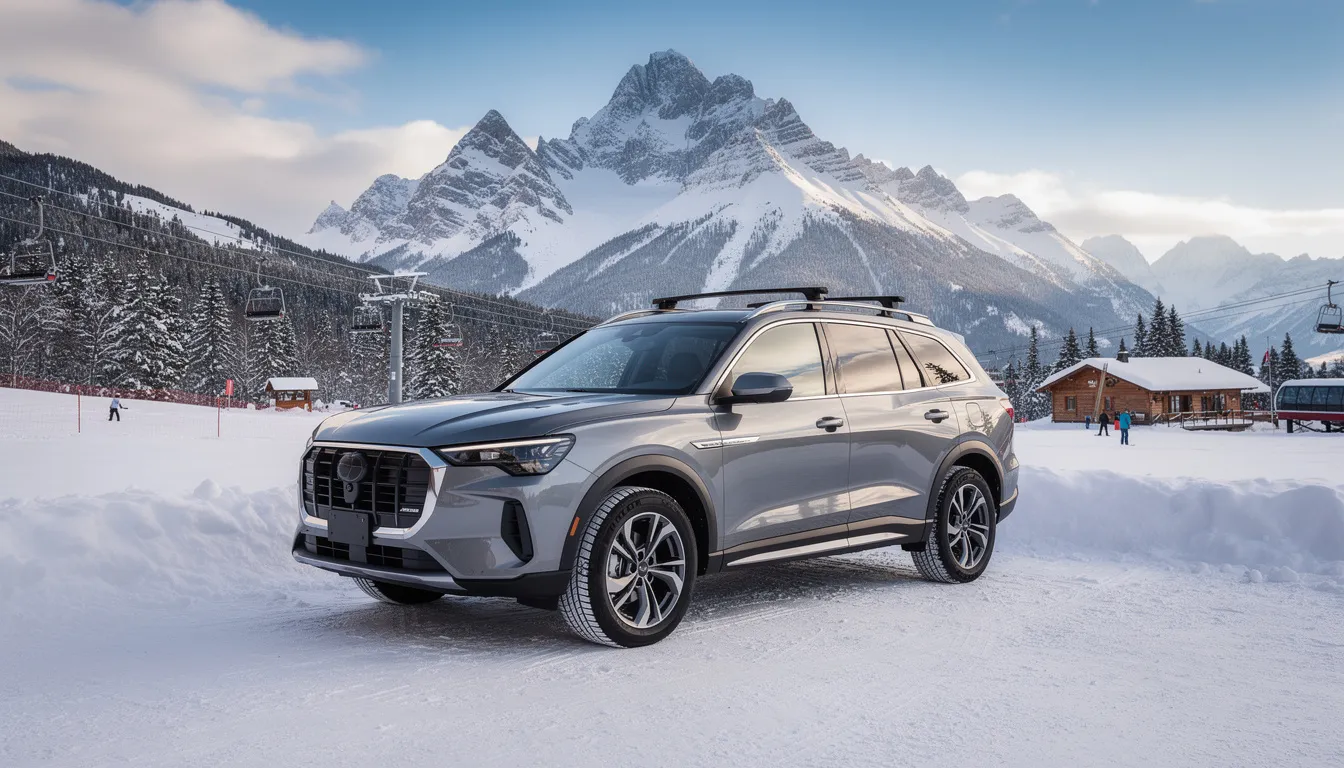
Why choose a full size suv rental:
- Three full rows of seating with legitimate legroom in each
- Space for multiple large suitcases plus sports equipment or strollers
- A powerful engine capable of handling mountain grades while fully loaded
- Modern infotainment with Apple CarPlay and Android Auto
- Selectable 4WD or AWD modes for inclement weather
The Ford Expedition stands out with quick acceleration, superior climate control, and comfort features that keep passengers happy on long drives. According to rental providers like Avis and Budget, it maximizes third row legroom and cargo better than many competitors—making it the perfect SUV for group trips to destinations like Vail, Park City, Whistler, or Banff.
The Chevrolet Tahoe and its extended-length sibling, the Chevrolet Suburban, offer similar capabilities with slightly different interior layouts. The Suburban provides additional cargo room behind the third row—a meaningful advantage when you’re hauling ski gear for a family of six.
Full-size 4×4 SUVs are larger than most European cars. They can be challenging to park in tight city streets or small mountain towns, so factor in maneuverability if your trip includes urban exploration.
Land Rover Discovery
The Land Rover Discovery represents a premium 4×4 option that bridges serious off-road capability with upscale refinement. You’ll find it widely available in UK and European rental fleets and at select US airport locations with luxury categories.
What sets the Discovery apart:
- Terrain Response systems that automatically adjust settings for different surfaces
- Hill Descent Control for steep, technical terrain
- Air suspension that can raise ride height for deep water or rough tracks
- Comfortable seating for up to seven in a refined, leather-lined interior
The Discovery suits travelers who want both capability and comfort when exploring regions like the Scottish Highlands, Iceland’s paved ring roads, or Alpine passes in Switzerland and Austria. It delivers the spacious interiors and premium SUVs experience without sacrificing all-terrain confidence.
Important considerations:
Luxury 4×4 rentals like the Discovery typically require higher security deposits and come with stricter damage policies. Read the fine print carefully before booking. Additionally, if your route includes rough F-roads in Iceland or similar tracks, confirm these aren’t excluded from your rental contract—even vehicles with off-road capability may have restrictions in standard agreements.
Range Rover (Sport and Full-Size)
The Range Rover and Range Rover Sport represent the top tier of luxury 4×4 vehicles, available through brands like SIXT and specialty rental agencies in major destinations worldwide.
These vehicles combine air suspension that soaks up rough surfaces, whisper-quiet cabins, and powerful engines that make light work of mountain passes and long-distance winter drives. The full-size Range Rover offers an especially commanding presence with room for five passengers and generous luggage capacity.
Ideal use cases:
- Business trip transportation where appearance matters
- Special occasions and celebrations
- High-end winter vacation destinations like Aspen, Courchevel, or St. Moritz
- Style-conscious travelers who still need all-weather capability
Daily rates for Range Rover rentals significantly exceed mainstream SUVs. Expect premium fuel requirements, stricter mileage limits, and more restrictive rules about off-road use. Some contracts prohibit unpaved roads entirely for these high-value vehicles.
Inspect wheels and tires carefully at pick up. Cosmetic damage charges on luxury 4x4s can run into hundreds of dollars for a single curbed alloy wheel.
Mercedes-Benz G-Class
The Mercedes-Benz G-Class (G-Wagon) occupies a unique niche as an iconic luxury 4×4 with serious off-road hardware—and a price tag to match. Available through premium rental fleets and exotic car agencies in select European cities, Dubai, Los Angeles, and Miami, it’s the ultimate statement vehicle.
Technical credentials:
- Ladder-frame construction providing genuine durability
- Three locking differentials for extreme off-road situations
- Powerful V8 engines (or turbocharged inline-six on newer models)
- Tech-filled interior with the latest Mercedes infotainment and safety features
The G-Class commands attention wherever it goes, making it popular for style-focused travelers who still want all-weather confidence on mountain roads. However, its boxy shape creates wind noise at highway speeds, and fuel economy is notably poor—often under 15 MPG in real-world driving.
Rental restrictions to know:
Daily mileage limits tend to be stricter for G-Class rentals, sometimes as low as 100-150 miles per day. Age requirements may be higher (often 25+), and additional driver fees can be substantial. Read every line of the rental agreement before signing.
This is a vehicle for travelers who prioritize style and luxury over practical off-roading. If you actually plan to tackle challenging trails, a Wrangler or 4Runner will serve you better at a fraction of the cost.
Top Rental Companies That Offer 4×4 SUVs
Finding a 4×4 SUV rental requires knowing where to look. Most major international brands plus regional specialists provide options, but availability varies heavily by location and season. A Denver airport location in January will have more 4×4 inventory than a beach destination in Florida.
Understanding how different providers categorize and list their 4×4 fleet helps you find the right fit faster.
Major Airport Rental Brands (Enterprise, Hertz, Avis, Budget)
These companies dominate airport locations across the US, Canada, and Europe, offering the widest SUV fleets and most convenient pick up and drop-off options for travelers.
How 4x4s are categorized:
On booking websites from Avis, Budget, Enterprise, and Hertz, look for categories labeled:
- “Standard SUV 4WD” or “Standard SUV AWD”
- “Full-Size SUV”
- “Premium SUV”
- “Luxury SUV”
Not all SUVs in these categories are 4×4-equipped. Read vehicle descriptions carefully for phrases like “4×4,” “AWD,” “4WD,” or “all-wheel drive.” If the listing only says “SUV” without drivetrain details, it may be a 2WD model.
Maximizing your chances of getting a 4×4:
- Reserve the highest category you can reasonably afford if 4×4 is critical
- Confirm drivetrain with counter staff at pick up
- Use the promo code and rate code fields to apply discounts without sacrificing category
- Book at winter-heavy airports like Denver, Salt Lake City, Calgary, and Zurich where 4×4 inventory is larger
Sign up for loyalty programs like Hertz Gold Plus Rewards and Enterprise Plus. These programs offer faster pickup lines and occasional upgrade opportunities that can get you into a 4×4 when base categories are sold out.
Premium 4×4 Rentals with SIXT and Similar Brands
SIXT and comparable premium brands specialize in newer vehicles with better features and condition. Their fleets often include Range Rover, Land Rover Discovery, BMW X5/X7, Mercedes GLE, and Mercedes G-Class—all with AWD or 4WD systems.
Advantages of premium providers:
- Websites typically allow filtering directly for 4×4 or AWD
- Newer model years with current technology
- Better vehicle condition and maintenance standards
- Wider selection of luxury and premium SUVs
Daily rates run higher than budget brands, but you’re paying for a newer fleet and often more transparent booking experience. SIXT positions 4×4 SUVs as ideal for winter trips to places like Colorado, emphasizing the security of extra traction when driving to ski resorts.
Pay close attention to included mileage—some premium rentals cap daily miles at 150-200. Cross-border policies also differ between providers, so verify that your planned route (US to Canada, Germany to Austria, etc.) is permitted under your insurance plan.
Peer-to-Peer and Specialist 4×4 Agencies
Beyond traditional car rental companies, peer-to-peer platforms like Turo and regional 4×4 specialists offer unique advantages for specific needs.
Turo’s approach:
Turo lets you browse and book exact makes and models from individual hosts. Unlike traditional rentals where you get “Jeep Wrangler or similar,” on Turo you can rent a car that’s precisely what you want—a lifted Wrangler Rubicon, a modified Land Cruiser, or a budget-friendly Subaru with AWD.
User reviews on Turo provide transparency about vehicle condition, host communication, and the actual great experience previous renters had. Many hosts offer airport delivery, and pricing often includes insurance protection plans.
Specialist 4×4 agencies:
In destinations like Salt Lake City, companies with decades of experience (some operating nearly 30 years) specialize in 4WD/AWD vehicles for towing, off-roading, and long-term needs. These specialists often offer:
- Vehicles equipped with snorkels, lift kits, and heavy-duty roof racks
- Pre-approved use on rougher tracks that mainstream brands prohibit
- Flexible daily, weekly, or monthly pricing
- Local expertise on which routes require specific equipment
Important warnings:
Compare insurance coverage, damage deposits, and off-road restrictions carefully with peer-to-peer and niche agencies. Terms can differ substantially from traditional rentals. A Turo host might allow F-roads in Iceland while a corporate rental flatly prohibits them—or vice versa.
These options work particularly well for unique itineraries like multi-day overlanding, scenic backroad routes, or when you absolutely need a specific vehicle configuration.
How to Choose the Right 4×4 SUV for Your Trip
The “best” 4×4 rental depends entirely on your specific trip requirements. A solo traveler exploring desert trails needs a different vehicle than a family of six headed to a ski resort. Before booking, honestly assess these key factors.
Trip Type and Terrain
Start by mapping your actual destinations and roads:
- Mostly interstate highways with occasional mountain passes: A comfortable AWD crossover like the Hyundai Santa Fe or Ford Edge handles this easily
- Paved roads with regular snow or ice: Any AWD SUV provides adequate traction; low-range 4WD isn’t necessary
- Regular gravel roads or forest service routes: The Toyota 4Runner, Jeep Grand Cherokee, or Nissan Pathfinder offer good ground clearance with highway comfort
- Serious off-roading or deep snow: The Jeep Wrangler’s low-range 4WD and maximum ground clearance justify the less refined highway experience
Specific destination examples:
- Winter driving on I-70 to Denver ski resorts: Any modern AWD SUV with good tires performs well on this maintained highway
- Gravel access roads in Canadian national parks: Mid-size 4x4s like the 4Runner or Grand Cherokee provide extra confidence
- F-roads in Iceland’s highlands: Confirm your rental contract permits these routes, then choose a vehicle with high clearance and low-range capability
Many rental contracts explicitly ban deep river crossings, rock crawling, and certain named routes—even in 4×4 vehicles. Read local travel advisories and park service guidelines before planning routes that push limits.
Passengers, Luggage, and Comfort
Be realistic about your group’s needs:
| Group Size | Luggage | Recommended Category |
|---|---|---|
| 2 passengers | 2 medium bags | Mid size SUV (Jeep Compass, Nissan Rogue) |
| 4 passengers | 3-4 bags + ski gear | Full size SUV (Grand Cherokee, 4Runner) |
| 5-6 passengers | Multiple large bags | Large SUV (Tahoe, Expedition) |
| 7-8 passengers | Full luggage for all | Extended SUV (Suburban, Expedition Max) |
Families of four with ski equipment, coolers, and multiple suitcases often outgrow compact SUVs quickly. A full size suv rental like the Nissan Armada or similar provides room without the constant game of Tetris every time you stop.
The third row in full size suvs varies dramatically in legroom. The Ford Expedition generally offers better third-row space than competitors, making it more comfortable for adults on long drives. Shorter passengers or children tolerate cramped rear seats better.
Practical features to request:
- Fold-flat seats for maximum cargo flexibility
- Roof racks or ski racks for bulky equipment
- Rear cargo organizers for keeping gear accessible
Overpacking in a smaller 4×4 creates safety issues beyond inconvenience. Obstructed rear visibility is dangerous in poor weather, and overloaded vehicles handle differently than you expect.
Budget, Fuel, and Insurance Costs
4×4 SUVs cost more than sedans in virtually every way:
Rental premiums:
- Compact SUVs: 10-20% above economy cars
- Full-size 4x4s: 30-50% above sedans
- Luxury 4x4s: 2-3x the cost of mid-size rentals
Fuel consumption: A Nissan Armada or Chevrolet Tahoe with a V8 engine may average 15-18 MPG in mountain driving—significantly worse than a Hyundai Santa Fe at 25+ MPG. On a 1,000-mile trip, this difference adds $100+ to fuel costs at current prices.
True cost comparison:
Calculate total trip cost rather than just daily rate:
- Base rate × days
- Taxes and fees
- Insurance/damage waivers
- Fuel (estimate miles ÷ MPG × fuel price)
- Add-ons (GPS, child seats, additional drivers, ski racks)
- Parking (larger vehicles may not fit in standard spaces)
Some credit cards provide rental car insurance, but coverage for off-road driving or gravel roads is often limited or excluded entirely. Read your card’s terms and consider supplemental coverage if your route includes unpaved sections.
How to Book a 4×4 SUV Rental Step-by-Step
Securing a 4×4 for your next adventure requires more attention to detail than booking a standard sedan. Follow this process to ensure you get the right vehicle at the best price.

Using Online Filters and Categories
Step 1: Select location and dates Enter your pickup airport or city address and travel dates. For winter travel, flexibility of even one day can sometimes reveal better availability.
Step 2: Filter for SUV/4×4/AWD categories Most rental websites offer category filters. Look for:
- “SUV 4WD” or “SUV AWD”
- “All-Terrain” or “Off-Road” categories
- Premium SUV or Luxury SUV (often AWD-equipped)
Step 3: Read vehicle descriptions carefully Scan each listing for explicit 4×4/AWD mentions. Avoid assuming—if it doesn’t say “four-wheel drive” or “all-wheel drive,” it might be a 2WD variant.
Step 4: Compare on-airport vs. off-airport locations Off-airport locations sometimes have different inventory and pricing. A rental agency 10 minutes from the terminal might have the 4×4 the airport location sold out of weeks ago.
Step 5: Check price comparison sites Aggregators can surface deals across multiple providers simultaneously. Sign up for email alerts to receive emails about price drops on specific routes.
Step 6: Book early for peak periods During active storm forecasts and holiday weekends, 4×4 inventory sells out quickly. Don’t rely on walk-up bookings when you need a specific capability.
Confirming 4×4 Features and Add-Ons
Your reservation confirmation is just the beginning. Take these additional steps:
Call or message 2-3 days before pickup: Confirm your reservation is in a 4×4 or AWD category. Ask specifically: “Will my vehicle be equipped with four-wheel drive or all-wheel drive?”
Request essential add-ons in advance:
- Snow tires or chains: Required by law in some regions and essential for safety in others
- Roof racks or ski racks: May need to be reserved separately
- GPS or offline maps: Helpful when cell service disappears in mountains
- Additional drivers: Important for long drives where you’ll share wheel time
Verify winter tire equipment: In regions like Colorado, British Columbia, or the Alps, ask directly whether the vehicle will have winter or all-season tires. “All-season” may not be adequate for serious mountain driving in heavy snow.
Confirm cross-border travel permissions: Planning to drive from the US to Canada or from Germany to Austria? Verify this is allowed under your rental agreement and insurance. Some policies restrict cross-border travel or require additional coverage.
Document everything: Save confirmation emails and take screenshots of the promised vehicle category, drivetrain type, and included features. If disputes arise at the counter, documentation proves what you booked.
Driving and Safety Tips for 4×4 SUV Rentals
Having 4×4 capability improves traction significantly—but it doesn’t make any vehicle invincible. Ice is still slippery, mud can still trap wheels, and steep grades still require respect.
Winter and Snow Conditions
4×4 helps you accelerate and maintain momentum in snow. It does not help you stop faster. Anti-lock brakes work the same whether you have two-wheel drive or four-wheel drive.
Essential winter driving practices:
- Smooth inputs: Accelerate gently, brake early, and make gradual steering movements
- Increased following distance: Triple the space you’d normally leave in dry conditions
- Speed management: Slow down before curves and intersections, not during them
- Lane position awareness: Stay in established wheel tracks on snow-packed roads
Before heading into mountains:
Check local winter laws. Colorado’s Traction Law requires 4WD/AWD or chains on I-70 and other mountain routes during storms. Your rental might be 4×4-equipped but lack the chains you legally need.
Pack emergency supplies:
- Warm clothing and blankets
- Water and non-perishable snacks
- Fully charged phone with offline maps downloaded
- Flashlight and basic first-aid kit
Rental roadside assistance response times can be significantly longer in remote snow-covered areas. Self-sufficiency for several hours is prudent.
Off-Road and Gravel Driving
“Off-road capable” does not automatically mean you’re allowed to leave maintained roads. Many rental contracts prohibit off-road travel entirely, even in a Jeep Wrangler. Violating these terms can void your insurance and leave you responsible for all damage.
Safe gravel road habits:
- Reduce speed—gravel provides less traction than pavement
- Increase following distance to avoid windshield damage from kicked-up stones
- Watch for washboards (regular ripples in the road surface) that can shake vehicles violently
- Keep headlights on for visibility to oncoming traffic
Basic 4WD techniques:
- Engage low-range 4WD before starting steep climbs, not partway up
- Use low gears descending steep grades rather than riding brakes
- Avoid deep water crossings unless you know exact depth and bottom conditions
- Never tackle technical trails alone—have another vehicle or at least someone who knows your route
Fuel planning: In remote regions, gas stations may be 100+ miles apart and closed at night or on weekends. Fill up more frequently than you think necessary, and never let the tank drop below quarter full in wilderness areas.
FAQ: 4×4 SUV Rentals
Can I guarantee a specific 4×4 model when I reserve?
Most traditional rental companies only guarantee a category—“Jeep Wrangler or similar”—rather than an exact model. When you book through Budget, Hertz, or Enterprise, your reservation secures a vehicle class, and the specific unit depends on what’s available when you arrive. Peer-to-peer platforms like Turo work differently; you book a specific vehicle listed by an individual host, so what you see is what you get. Calling the rental branch a few days before pickup and joining loyalty programs can increase your chances of getting a preferred model, but traditional rentals rarely offer 100% guarantees on specific makes or models.
Do I need a 4×4 SUV if I’m only driving in cities?
For purely urban travel on plowed, well-maintained roads, a standard sedan or 2WD compact SUV is typically sufficient and more economical. 4×4 becomes valuable when snow, steep hills, or unpaved roads are part of your route. Many major European cities with occasional winter weather have excellent road clearing services, making 4×4 unnecessary unless you’re planning side trips into mountains or countryside. Save the 4×4 premium for trips where you’ll actually use the capability.
Is extra insurance necessary for a 4×4 rental?
Basic liability coverage is required by law in most jurisdictions, but whether you need supplemental coverage depends on your existing protection. Check whether your personal auto insurance extends to rentals and covers the vehicle’s full value—many policies have caps that fall short for large SUVs. Credit card rental benefits vary widely; some exclude off-road use, gravel roads, or certain countries entirely. Because repair costs for larger 4x4s and luxury SUVs run higher than compact cars, damage waivers offer meaningful protection if your other coverage has gaps or exclusions.
Can I drive my rental 4×4 on unpaved or national park roads?
Many rental contracts allow well-maintained gravel or graded roads but explicitly prohibit true off-roading, deep sand, and rock trails. National parks often distinguish between paved scenic drives open to all vehicles and primitive roads suitable only for high-clearance 4WD. Read your rental terms carefully—some contracts name specific prohibited routes by name. When uncertain, contact the rental company for written clarification before entering rough or unpaved areas. Violating contract terms can void your insurance, leaving you liable for potentially thousands in damage costs.
How far in advance should I book a 4×4 for ski season?
For popular ski weeks between December and March, book your 4×4 reservation 4-8 weeks in advance. Christmas, New Year’s, and school holiday weeks at major hubs like Denver, Salt Lake City, and Vancouver require even earlier booking—often 8-12 weeks ahead for the best selection. Last-minute availability during active snowstorms or long holiday weekends is extremely limited and commands premium prices. The combination of high demand and genuinely limited 4×4 inventory at ski-destination airports makes early reservations the only reliable strategy for securing the vehicle you want at a reasonable price.
Book the right SUV
Compare SUV rental deals for the class this trip actually needs.

Written by Jake Ryder
Jake Ryder is the founder and lead reviewer at Road SUV. He has spent more than a decade behind the wheel of everything from subcompact crossovers to full-size 4x4s, logging thousands of highway and off-road miles across the United States. His reviews focus on what actually matters to real drivers: cargo space you can use, safety features that work, and honest talk about fuel economy and pricing.