


Key Takeaways
- Winter 2026–2027 is an ideal season to rent a car and explore quieter regions where public transport is sparse, with many rural areas cutting back bus and train services from November through March.
- Having your own wheels opens up small alpine towns, hot-spring villages, and remote coasts that buses and trains barely serve in winter, giving you flexibility that organized tours simply cannot match.
- Safety and planning matter: winter tires, snow chains, and checking seasonal road closures are as important as picking the destination itself.
- Renting a car can actually save money in rural areas compared with tours and transfers, especially for couples or small groups who can split fuel and rental costs.
- This guide covers underrated winter road-trip ideas across Europe, North America, South America, Asia, Africa/Middle East, and Oceania, plus practical rental tips and a comprehensive FAQ.
Why Winter Is Perfect for Off-the-Radar Road Trips
Picture this: a narrow road winding through a valley dusted with fresh snow, your compact rental car the only vehicle for miles, and a cozy guesthouse waiting at the end with rates half what they’d be in July. This is the reality of winter road-tripping in 2026—empty scenic routes, off-season hotel prices, and access to places that simply aren’t reachable without your own set of wheels.
Many rural and mountain regions dramatically cut back public transport between November and March. Bus routes that run hourly in summer might operate twice daily, or not at all. Train connections to small villages become infrequent or disappear entirely. For travelers who want to explore beyond the package holiday route of major cities and headline resorts, self-drive becomes not just convenient but often the only realistic option.
Winter 2026 delivers concrete benefits for the flexible traveler. Airfares drop on non-holiday dates, rental rates fall outside the Christmas–New Year and school holiday spikes, and attractions that feel crowded in summer offer intimate experiences. Some destinations see 70-80% fewer visitors in January and February compared with peak season, meaning you’ll have hiking trails, viewpoints, and restaurants largely to yourself.
The landscapes themselves justify the trip. Frozen lakes, misty forests, snow-dusted vineyards, and desert sunsets under crystal-clear winter skies look nothing like their summer counterparts. December through February in the Northern Hemisphere (or June through August in the Southern Hemisphere) reveals a completely different world—one worth planning a special winter getaway to experience.
Continents and Underrated Winter Destinations Worth Driving To
The following sections are organized by continent for easy trip-planning, with concrete regions and small towns named throughout. Each focuses on areas where renting a car meaningfully improves access and flexibility during winter 2026–2027.
The itineraries assume realistic driving times of 2–5 hours between bases, with suggestions for pairing 2–3 stops per week-long trip. Whether you’re chasing snow or escaping frigid temperatures for winter sun, you’ll find options that reward independent exploration over rigid group schedules.
Europe: Quiet Spa Towns, Coastal Roads, and Snow-Dusted Villages
Europe in winter is more than world class ski resorts and crowded Christmas markets. With a compact car and winter tires, you can access cheaper, calmer places that mainstream tourism overlooks—thermal villages where steam rises from outdoor pools, coastal routes without summer traffic, and alpine valleys where guesthouses cost a fraction of nearby resort prices.
Mid-January to early March 2026 offers the sweet spot for value, avoiding both New Year celebrations and the February school ski weeks that pack French, German, and Austrian slopes. A week-long road trip linking 2–4 villages creates natural variety while keeping daily drives manageable.
The destinations below are all within 2–4 hours’ drive of major airports, making logistics straightforward even for a long weekend getaway.
Berchtesgaden & Königssee Region, Germany
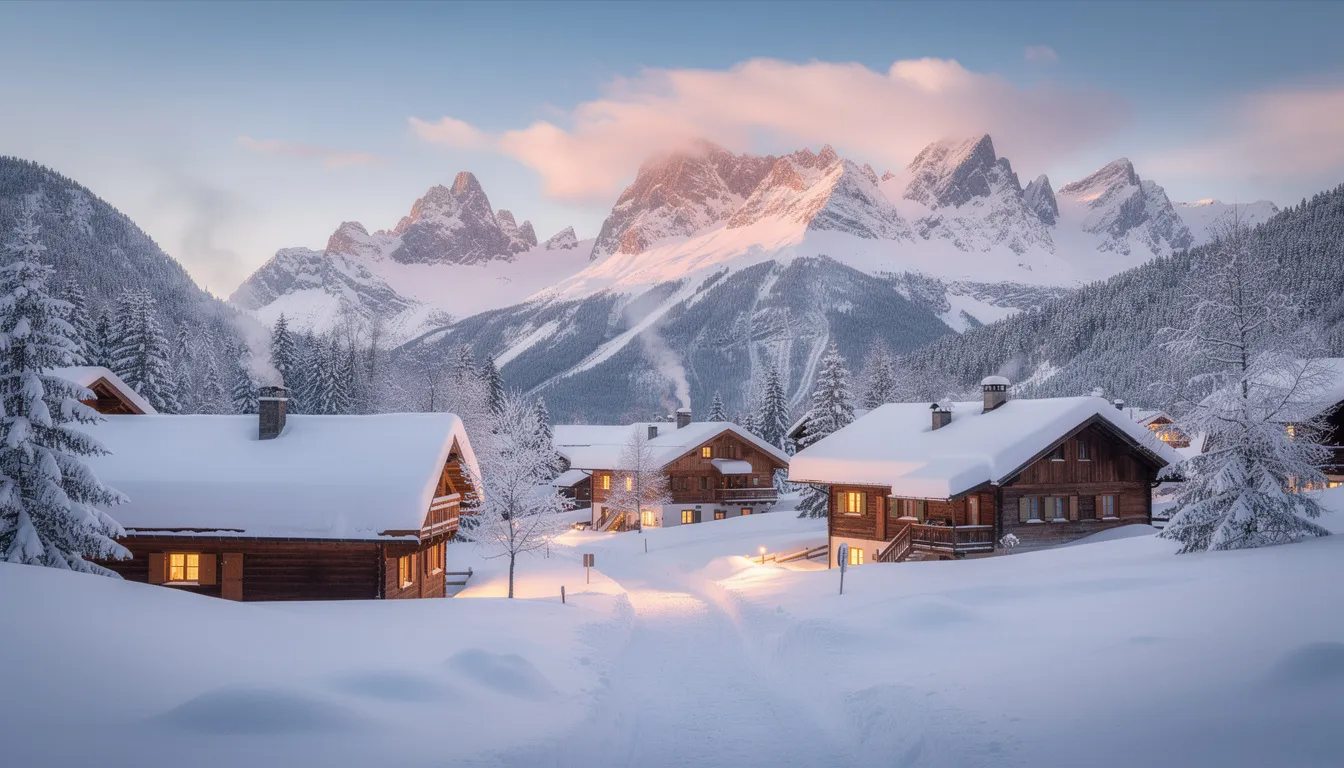
Snow dusts the jagged Watzmann massif while Lake Königssee sits mirror-still below, its emerald waters framed by cliffs that few summer visitors ever see in such perfect silence. The town of Berchtesgaden itself—pastel facades and quiet streets—feels worlds apart from the crowded energy of nearby ski towns.
Renting a car from Munich or Salzburg (roughly 2 hours either way) makes this corner of the Bavarian Alps genuinely accessible. With your own vehicle, you can visit Lake Königssee for morning photos before the first tour boats arrive, detour to the photogenic Ramsau bei Berchtesgaden church, and tackle the Rossfeld Panoramastrasse for views that justify the trip alone.
Winter 2026 visitors should check seasonal closures for the Eagle’s Nest road (typically closed November–May), but lower-elevation trails and viewpoints remain accessible by car. Snowshoe paths replace hiking trails, and the outdoor activities shift but don’t disappear.
Budget advantages shine here: guesthouses run €60–100 per night compared with €200+ at high-end ski resorts, parking is straightforward in winter, and self-drive lets you mix spa days in nearby Bad Reichenhall with short hikes without relying on infrequent buses.
Soča Valley Around Bovec, Slovenia
Winter in Bovec means quiet, misty valleys, frozen waterfalls along the turquoise Soča River, and small family-run guesthouses where you might be the only guest. It’s a perfect winter wonderland for those who prefer solitude to slopes.
A rental car from Ljubljana or Trieste (roughly 2.5–3 hours) is essential—bus timetables during winter months are sparse or nonexistent. The drive itself becomes part of the experience, passing through tunnels carved into Julian Alps limestone and emerging into valleys that see fewer than 10,000 winter tourists annually compared with summer peaks.
Realistic winter-friendly drives include Bovec to Kobarid (30 minutes) for excellent local cuisine and World War I history, detours toward Tolmin Gorge (noting potential partial closures), and scenic stretches along the river. The Vršič Pass to Kranjska Gora is typically closed in deep snow, so plan alternative routes.
Practical winter driving tips matter here: snow chains are required by law in Slovenia during winter weather, keep fuel topped off in these rural areas, and plan driving hours to avoid night ice on mountain roads.
Budget Villages Near Chamonix Valley, France
Villages like Les Houches, Servoz, and Vallorcine offer access to Mont Blanc’s spectacular scenery without Chamonix’s 2026 peak-season prices. These aren’t hidden gem destinations in the traditional sense—locals know them well—but international visitors often overlook them for the famous name down the valley.
A car from Geneva Airport (about 1–1.5 hours) lets you base in a cheaper village and day-trip to trailheads, cable cars, and viewpoints that buses serve infrequently in winter. You’ll pay half the hotel room rates of central Chamonix while enjoying the same snow capped peaks from your window.
Winter conditions at valley level are moderate—often just below freezing—making driving with winter tires safe on most days. Check forecasts before heading out on heavy-snow days, but don’t let winter weather deter you entirely.
Consider a loop from Les Houches through Saint-Gervais-les-Bains to Sallanches, combining riverside walks, exceptional bakeries, and thermal baths. A rental car turns what would be a complicated multi-bus journey into an easy half-day exploration.
Istria Peninsula Coastal Loop, Croatia
Istria offers a mild winter destination where medieval hill towns like Motovun, Grožnjan, and Oprtalj perch above fog-filled valleys. Average temperatures hover between 5–15°C (41–59°F), and the Dalmatian Coast shifts from summer chaos to peaceful contemplation.
Plan a 3–4 day driving loop from Pula or Trieste: Pula for Roman ruins, Rovinj’s colorful harbor, Poreč’s Byzantine mosaics, then inland to the hill towns before returning. Parking is free or cheap throughout, and old towns that feel crushed by summer crowds become atmospheric and accessible.
Public buses connect major cities but don’t easily link smaller hilltop villages. A compact rental becomes the efficient option for anyone wanting to taste olive oil at a family farm or photograph a sunset from a castle wall without checking bus schedules.
Seasonal perks make winter worthwhile: white truffle dishes available November–January (at lower prices than in Alba, Italy), coastal sunsets without competition for restaurant tables, and accommodation rates that drop significantly from summer highs.
Thermal Spa Triangle: Hévíz & Bük (Hungary) and Rajecké Teplice (Slovakia)
These spa towns offer steaming outdoor pools ringed by snow at prices far below famous Alpine resorts. Hévíz features a natural hot springs lake maintaining 36°C year-round, while Bükfürdő’s facilities include mud therapies rooted in centuries of tradition. Rajecké Teplice in Slovakia adds mineral-rich mountain waters in a snow-dusted setting.
A realistic 5–7 day January or February 2026 road trip starts from Vienna or Budapest. Drive to Bükfürdő first (2 hours from Vienna), then south to Hévíz and its thermal lake, before heading north to Rajecké Teplice in Slovakia. The triangle covers roughly 500 kilometers total.
Intercity trains get you near each destination, but a car lets you hop between multiple spas in one day, carry swimwear and winter gear easily, and detour into small villages for great and affordable food—think hearty Hungarian goulash and Slovak bryndzové halušky.
Winter driving basics on Central European highways: purchase highway vignettes for Hungary and Slovakia, observe speed limits (radar is common), and ensure winter tires are fitted. Snow chains may be required in Slovakia’s hills.
Southern Poland’s Spa and Mountain Towns
Towns like Krynica-Zdrój, Szczawnica, and Rabka-Zdrój offer lesser-known alternatives to crowded Zakopane. Reachable via a scenic 2–3 hour drive south from Kraków, they combine easy hikes in the Pieniny Mountains, modest ski runs, and atmospheric sanatorium architecture from the 19th century when this region served as a Habsburg health retreat.
Winter 2026 visitors can experience cross country skiing through forested valleys, ice skating on frozen ponds, and walks through towns where Art Nouveau buildings line tree-shaded promenades. Annual snowfall reaches 100–200 centimeters, creating reliable winter conditions without the extreme cold weather of more northern regions.
Buses exist but are slow and infrequent between smaller spa towns. A rental car dramatically cuts transfer time and opens up quiet valleys, viewpoints, and hiking trails that organized day trips never reach.
Park in underground garages when available in snowy towns, and start drives late morning to avoid black ice at dawn. The extra flexibility means you can chase clear skies rather than sticking to a fixed itinerary.
North America: Lake Towns, Desert Sunshine, and Small-City Escapes
North American winter doesn’t just mean famous ski giants like Vail or Whistler. Many smaller communities shine from December to March, offering natural beauty, outdoor enthusiasts’ playgrounds, and that rare sense of discovery.
Distances can be long, so the sections below focus on long-weekend or 5-day drives starting from major airports and sticking to one region. A mix of snowy and warm destinations means you can choose between a winter wonderland and warm winter sun—all benefiting from the flexibility a rental car provides.
Great Lakes Lighthouses and Small Towns (USA & Canada)
Frozen shorelines transform the Great Lakes into dramatic winter landscapes. Lake-effect snow creates whiteout conditions one day and brilliant blue skies the next, while harbor towns that bustle with summer tourists become quiet and welcoming. Lighthouses stand sentinel over ice-covered shores, and national parks like Pictured Rocks take on an entirely different character.
A sample 4–5 day loop might start in Milwaukee or Chicago, heading north to Sheboygan (1.5 hours), then into Door County’s villages like Fish Creek and Ephraim. Cross into Michigan’s Upper Peninsula for Ludington and Traverse City, with approximate drive times of 2–3 hours between stops.
Most lighthouses and state parks are only realistically visited by car in winter—seasonal tour boats shut down until late spring, and bus connections to these areas are minimal. The Keweenaw Peninsula alone receives about 270 inches of snow yearly, supporting winter sports at Mount Bohemia and world class skiing conditions that rival better-known resorts.
For nature lovers seeking the best winter weekend getaways, the Great Lakes region delivers snow tubing, ice climbing, dog sledding, and even northern lights viewing at Keweenaw Dark Sky Park—all without the crowds of Aspen or Jackson Hole.
Rent a vehicle with snow tires (or studs where legal), pack warm layers, and keep a small shovel in the trunk. The isolation requires preparation, but rewards with magical, uncrowded experiences.
Desert Winter Driving: Phoenix, Sedona, and Beyond (USA)
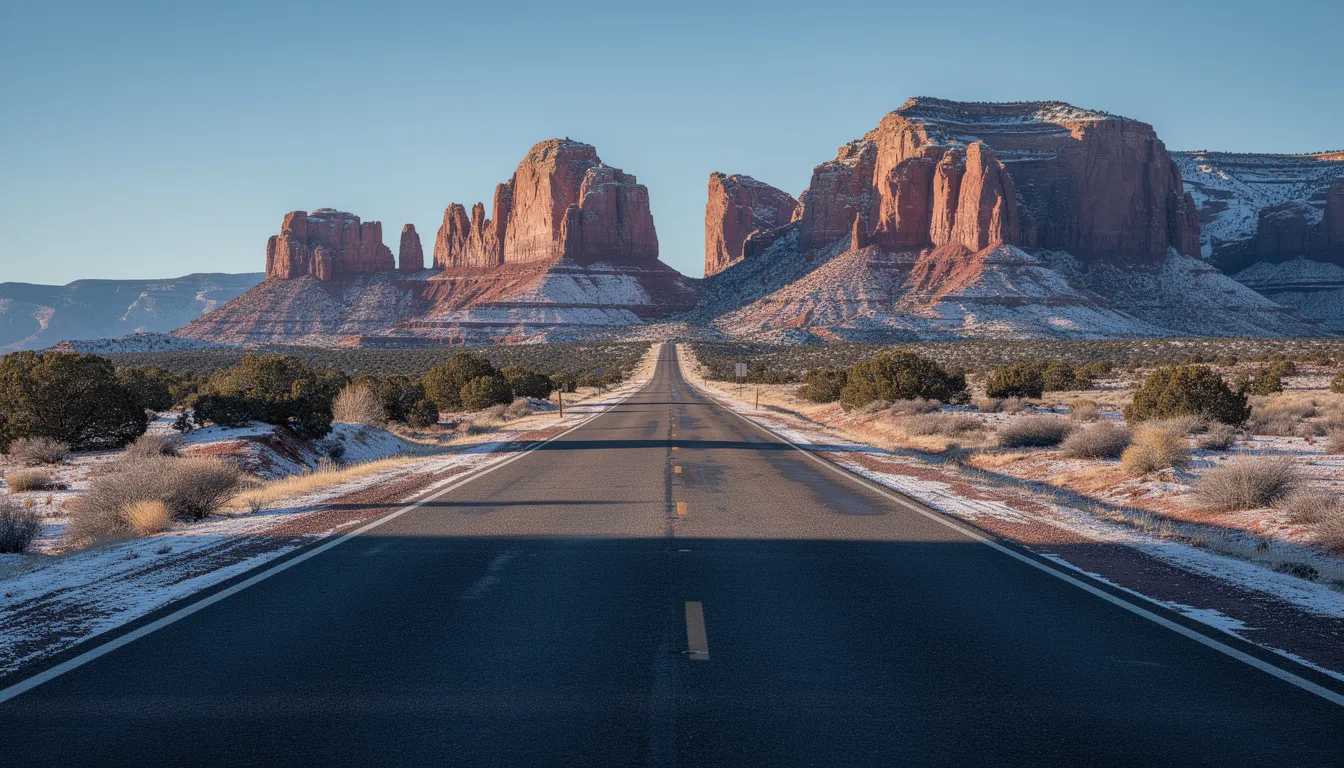
Phoenix from December through February offers average high temperatures in the 60s–70s °F (15–25°C)—perfect weather for sun-seekers who want to road-trip the Sonoran Desert without summer’s punishing heat.
Renting a car at Phoenix Sky Harbor makes it easy to reach Sedona (2 hours), the Superstition Mountains (1 hour), and Saguaro National Park near Tucson (2 hours). Each destination offers hiking trails through iconic desert landscapes, with Death Valley National Park achievable as a longer excursion.
Winter is genuinely off-peak for desert heat: roads are safe, trails are open at all hours, and you avoid temperatures exceeding 100°F that make summer hiking dangerous. This perfect weather window makes longer drives and ambitious hikes entirely practical.
The Apache Trail east of Phoenix winds through the Superstition Wilderness with views that organized tours can’t match—you set the pace, stopping at overlooks and historic sites as you please. The Red Rock Scenic Byway outside Sedona offers similar freedom, best experienced self-drive rather than through bus windows.
Canadian Winter Beyond the Headline Spots
Regions like Quebec’s Eastern Townships, Ontario’s Georgian Bay, and British Columbia’s Kootenays offer peaceful alternatives to crowded Banff and Quebec City during winter season.
A rental car from Montreal, Toronto, or Calgary unlocks small villages, frozen waterfalls, and local ski hills where public transport simply doesn’t reach. Consider a January 2026 loop from Montreal to Magog, Sutton, and Bromont—each town 1–2 hours from the last—for a long weekend of charming main streets, local vineyards (ice wine tastings!), and uncrowded hills.
From Calgary, the drive to Nelson via interior BC highways takes about 7 hours, passing through the Kootenays’ mountain towns. Weather caveats apply: check conditions before crossing Rogers Pass, and budget extra time for winter driving.
An AWD or 4×4 with proper winter tires is strongly recommended in Canadian snow belts. Many rentals are automatically winter-equipped, but confirm in advance—and practice with fairly affordable rentals in town before heading into mountain terrain.
South America: Off-Season Lakes, Wine Routes, and Coastal Drives
“Winter” here refers to June–August 2026 in the Southern Hemisphere—a cooler, quieter time for road trips when international tourists largely stay away.
A rental car allows visitors to bypass limited rural buses and discover lesser-known lookouts, vineyards, and small towns between bigger hubs. The infrastructure in Chile and Argentina supports self-drive travel for foreign visitors, with well-maintained highways and straightforward rental processes.
If planning to cross the Andes between countries, research paperwork requirements well in advance—taking a rental over international borders requires specific documentation.
Chilean Lake District Road Loops
A June–August loop from Puerto Varas or Temuco winds around lakes like Llanquihue and Villarrica, visiting the picturesque town of Frutillar, adventure hub Pucón, and riverside Valdivia. Lush green trees line the roads even in winter, and snow-capped volcanoes provide constant backdrop drama.
Having a car makes it easy to reach natural hot springs near Pucón, quiet lake beaches, and trailheads that would require multiple local buses otherwise. You set your own schedule, soaking in thermal pools one afternoon and photographing a volcano at sunrise the next morning.
Winter brings snow to higher elevations but leaves main roads drivable with caution. Check Chile’s official road reports before attempting mountain passes like the route toward Argentina.
Off-season perks shine: cabañas (cabins) that cost $150/night in January drop to $60–80, room to negotiate rates exists everywhere, and viewpoints of volcanoes like Osorno and Villarrica have you alone with the scenery.
Argentine Wine Country Under Snow-Dusted Andes
July vineyards around Mendoza and San Rafael sit under clear winter skies, with cool air perfect for tasting and the Andes topped with fresh snow creating so much nature to absorb in every direction.
Plan a 4–6 day itinerary starting in Mendoza City, renting a car, and visiting Luján de Cuyo’s Malbec heartland, Maipú’s olive oil producers, and the high-altitude Uco Valley. Winter 2026 is low season for international tourists, meaning winery appointments come easily and hotel rates drop 30-50%.
A car lets you string together multiple wineries and miradores (viewpoints) in one day while staying outside pricier resort complexes. The freedom to linger over a long lunch at one bodega before driving to another defines the experience.
Realistic driving cautions: avoid mountain passes after heavy snow, don’t drive rural roads at night when visibility drops and wildlife appears, and watch for fog and black ice in early mornings.
Asia: Clear Skies, Hot Springs, and Dry-Season Backroads
Asia’s winter (roughly December–February) brings drier air and clearer skies across much of East Asia and parts of Southeast Asia—ideal conditions for road trips that would be uncomfortable in humid summer months.
While big cities have comprehensive trains and metros, renting a car opens up small rural onsen towns in Japan, valleys in the Himalayas, and countryside loops through mainland Southeast Asia that buses serve poorly or not at all.
Correct paperwork matters here: International Driving Permits or official translations are required in most Asian countries. Confirm requirements for your specific destinations before booking any rental.
Japanese Countryside: Snow Villages and Onsen Roads
Driving from Sendai or Nagano through quiet valleys to onsen towns like Ginzan Onsen (famous for its gas-lit streetscapes), Nozawa Onsen, or Togura-Kamiyamada in January–February creates memories that train-based travel can’t replicate.
Rural train lines exist but often involve long transfers and limited schedules. A rental car allows you to visit multiple hot-spring villages in a 4–5 day loop, stopping wherever the scenery demands rather than rushing between connections.
Winter driving considerations in Japan: mandatory winter tires in snowy regions (most rentals come equipped), narrow rural roads that require patience, and the need to top up with winter washer fluid. Some mountain areas receive 300+ centimeters of snow annually.
Coin-operated car washes help clear road salt, and convenience stores (konbini) appear even in rural areas, providing food, restrooms, and warmth along the route. The combination of steaming onsen baths and snowy landscapes defines the best winter getaways in Asia.
Accessible Himalayan Foothills
Winter road trips in lower-altitude regions like Himachal Pradesh’s Kangra Valley (around Dharamshala and Palampur), parts of Uttarakhand, or Bhutan’s main valleys near Thimphu and Paro offer crisp skies and mountain views without extreme altitude challenges.
December–February often brings perfect weather for photography, but drivers must be cautious of ice in mornings and potential snowfall closing higher passes. Average temperatures at 2,000–3,000 meters hover around 5–15°C during the day, dropping near freezing at night.
Self-drive rentals are sometimes replaced by hiring a car with driver in this region—a practical option that removes stress while maintaining flexibility. Research current options for each country before committing.
Half-day drives like Dharamshala to Bir (1.5 hours) for paragliding viewpoints overlooking snow peaks demonstrate the flexibility compared with fixed bus timetables. You can linger at a tea estate or Buddhist monastery without watching the clock.
Dry-Season Countryside in Mainland Southeast Asia
December–February marks the dry, cooler months ideal for exploring rural northern Thailand, Laos, or central Vietnam by rental car.
Consider a loop from Chiang Mai through Mae Chaem and Doi Inthanon villages, experiencing wonderful colonial towns and hill-tribe markets at a pace buses can’t match. Or drive from Da Nang through the famous Hai Van Pass to lesser-known beaches south of Hue—incredible beaches without the summer crowds.
While many visitors rely on buses and trains, having a small car lets you stop at overlooked viewpoints, temples, and local markets on your own schedule. The freedom transforms a standard tourist route into genuine exploration.
Practical issues: traffic norms differ from Western countries, scooters are ubiquitous and unpredictable, and conservative driving is essential. Avoid nighttime rural driving where possible, and consider whether your travel insurance covers self-drive in each country.
Africa & the Middle East: Cool-Weather Road Trips Through Mountains and Desert
Winter (roughly November–March) in North Africa and the Arabian Peninsula brings cooler, safer conditions for long drives and hiking. Temperatures that would be unbearable in summer become comfortable for outdoor exploration.
A rental car is often the only way to stitch together remote villages, desert viewpoints, and oasis towns in a single itinerary. These routes aren’t necessarily off season—winter is actually peak time in some regions—but offer more comfortable temperatures and clearer air.
Namibian Desert Circuits
Winter in Namibia (June–August 2026) means cool nights and clear days—ideal for driving to Sossusvlei’s famous red dunes, the coastal town of Swakopmund, and the rocky landscapes of Damaraland.
Self-drive 4×4 rentals from Windhoek are standard for Namibia travel. The appeal lies in empty gravel roads, free-roaming wildlife including desert elephants, and open expanses that make you feel genuinely remote from everyday life.
A 7–10 day loop might include Sesriem (for Sossusvlei access), Walvis Bay and Swakopmund on the Atlantic coast, and inland to Spitzkoppe’s granite peaks. Carry extra water, a spare tire, and refuel whenever possible—distances between stations can exceed 300 kilometers.
Winter temperatures make mid-day hikes feasible (highs around 20–25°C) and dramatically reduce risk of heat-related issues that plague summer visitors. The clear, dry air creates ideal conditions for photography.
Villages of Morocco’s Atlas Mountains
January–February drives from Marrakech into the High Atlas reveal villages like Imlil, Ouirgane, and Aït Bouguemez with snow on the peaks above. It’s a completely different Morocco from the medina experience most visitors know.
Renting a small car or hiring a car with driver lets you explore side valleys and market towns far beyond organized day trips. Where a tour bus stops at one waterfall for 20 minutes, your rental car allows lingering over mint tea in a Berber village.
Winter days are usually sunny and cool (5–15°C), but higher passes like Tizi n’Tichka can close temporarily after snowfall. Route flexibility is essential—and having your own vehicle makes adjustments easy.
Weekly souks (markets) in various villages, local guesthouses with tagine dinners, and unhurried tea stops make the case for slow winter driving. Walking tours of Marrakech can wait; the Atlas rewards those who venture beyond the capital city.
Road Trips Across Oman and Jordan
Oman and Jordan stand out as safe, road-trip-friendly destinations from December through March, when desert and mountain temperatures are genuinely pleasant rather than brutal.
In Oman, a rental car links Muscat with the coastal town of Sur, Wahiba Sands’ desert camps, and the Hajar Mountains’ dramatic Jebel Shams (“Grand Canyon of Arabia”). In Jordan, connect Amman with Madaba, Wadi Mujib’s canyon, Wadi Rum’s desert landscapes, and lesser-known desert castles that tour buses skip.
Highways are generally well-maintained in both countries, but expect long stretches without services. Plan fuel stops carefully and aim to finish driving before dark.
Specific scenic drives reward the effort: Oman’s coastal route between Quriyat and Sur hugs clifftops above the Pacific Ocean’s Arabian Sea extension, while Jordan’s King’s Highway traces ancient trade routes with clear winter visibility and comfortable temperatures for stops at viewpoints and historic sites.
Australia & Oceania: Cool-Season Loops with Fewer Crowds
Winter (June–August 2026) in Australia and New Zealand means cooler temperatures, fewer domestic holidaymakers outside ski hubs, and ideal road conditions in many regions.
A rental car or campervan is almost mandatory outside major cities, turning a basic trip into a flexible loop between national parks, small towns, and coastal viewpoints. These countries punish schedule-dependent travel with their distances and limited rural transit.
Remember: left-hand driving and strict speed enforcement apply in both Australia and New Zealand. Cameras are everywhere, and fines follow international license holders home.
Tasmania’s Winter Coastal and Mountain Loops
A June–August itinerary starting and ending in Hobart or Launceston winds through the Tasman Peninsula’s sea cliffs, Freycinet National Park’s empty beautiful beaches, and the Central Highlands’ ancient forests.
Winter brings moody weather—mist rolling through valleys, occasional light snow on Mount Wellington, empty beaches where the only footprints are yours. A rental car lets you chase clear-sky windows rather than hoping conditions align with tour schedules.
Accommodation and ferry prices outside Australian school holidays drop noticeably, making a rental car and cabin combo genuinely good value for affordable winter travel. The Tasman Peninsula’s convict history sites and Bruny Island’s wildlife demand vehicle access.
Watch for wildlife at dawn and dusk—Tasmania’s unique fauna includes wombats and Tasmanian devils that don’t understand right of way. Avoid speeding on wet or icy rural roads, and always refuel before long stretches.
Remote Regions of New Zealand’s South Island
The Canterbury foothills, Otago countryside, and West Coast offer peaceful alternatives to crowded Queenstown during winter 2026. While Queenstown packs visitors seeking ski resort access, these regions remain genuinely quiet.
A rental car from Christchurch or Dunedin reaches small towns like Geraldine (artisan food scene), Naseby (curling on frozen ponds), Ōkārito (white heron sanctuary), and Haast (gateway to remote beaches). Buses are rare or nonexistent to most of these spots.
Sample driving route: Christchurch to Arthur’s Pass (2 hours), across to Hokitika (1.5 hours), down to Franz Josef for glacier views (2 hours), and eventually to Wanaka via Haast Pass (4 hours). Check for alpine road closures after heavy snowfall.
Most standard rentals come with all-season or winter-capable tires, but drivers should still prepare for black ice and limit nighttime mountain driving. The reward: misty forests, gold rush ghost towns, and glacier-carved valleys without crowds.
Australian Outback in the Cool Season
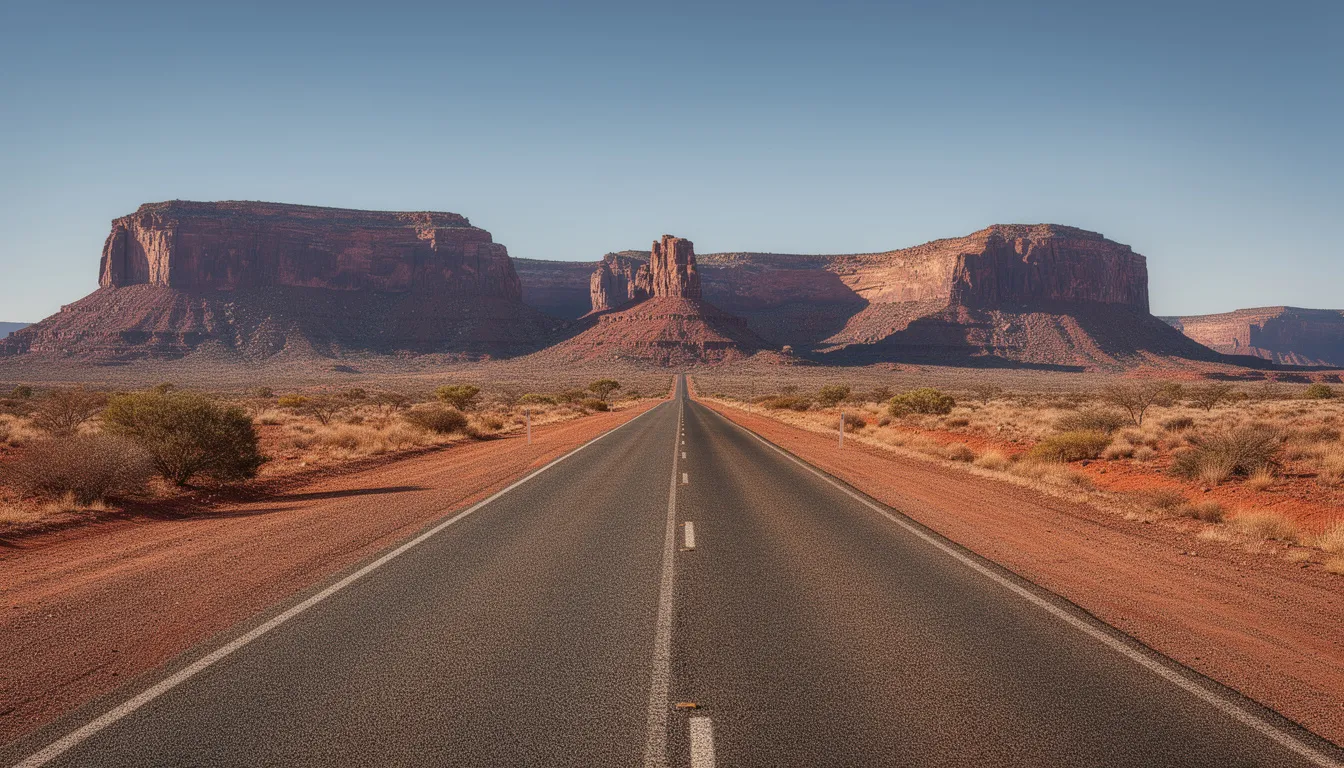
June–August 2026 is the safest time for long drives through parts of the Red Centre around Alice Springs, Western Australia’s Coral Coast, and South Australia’s Flinders Ranges.
A rental vehicle is essential for these routes—many are completely unserved by public transport. Focus on sealed-road itineraries unless you have serious off-road experience and appropriate vehicles.
Cooler winter temperatures (highs around 20–25°C in the Red Centre) reduce risk of breakdown-related heat stress and allow comfortable hiking at midday. Summer visitors face genuine danger from 45°C heat; winter visitors face pleasant conditions for outdoor enthusiasts.
Preparation matters in remote Australia: carry ample water (at least 4 liters per person per day), plan fuel stops carefully, notify someone of your route and expected arrival times, and respect local advice on unsealed tracks and weather fronts. The natural beauty justifies the planning.
Choosing the Right Car for Winter Conditions
Car choice in winter 2026–2027 can make the difference between a relaxed trip and a stressful one. Matching vehicle to terrain and conditions matters more than securing the lowest daily rate.
When a compact front-wheel-drive with winter tires works well:
- Urban Europe and mild coastal routes (Istria, Portugal’s Algarve)
- Japanese countryside with well-maintained roads
- Desert destinations (Phoenix, Namibia sealed routes, Morocco valleys)
- Tasmania and New Zealand’s main highways
When AWD or 4WD SUV is worth the upgrade:
- Alpine passes and mountain villages (French Alps, Slovenia, Austrian lakes)
- Canadian Rockies and northern Great Lakes
- Remote Namibia, Oman, and Australian outback
- Any destination with significant gravel roads or unpredictable snow
Trunk space matters more in winter—bulky jackets, boots, snow gear, and emergency supplies add up quickly. Consider whether a slightly larger vehicle saves hassle even if fuel economy drops.
Automatic transmissions dominate North American rentals but may cost extra in Europe or Japan. Higher ground clearance helps on snowy or gravel roads, and vehicles with ski/snowboard racks can be specifically requested at many winter destination rental offices.
Essential Winter Equipment for Your Rental
When booking for winter 2026–2027, confirm the following items in writing before arrival:
| Equipment | Why It Matters | Where Required |
|---|---|---|
| Winter tires (M+S or snowflake symbol) | Grip on snow and ice | Mandatory: Germany, Austria, Slovenia, much of Canada |
| Snow chains | Backup for deep snow or passes | Mandatory in parts: Switzerland, France, Slovenia |
| Ice scraper/brush | Morning frost removal | Not provided by default everywhere |
| High-freeze windshield washer fluid | Prevents frozen fluid lines | Often overlooked—check and add if needed |
| Functional heat/defrost | Safety and comfort | Test before leaving the lot |
Inspect the car at pickup: test lights, wipers, heat, and visually check tire tread depth (aim for 4mm minimum for snow). If equipment is missing or inadequate, document it immediately and request a vehicle swap.
Local laws link to safety and insurance validity. Driving without required winter tires in Germany between November and March can void your insurance coverage in case of an accident—transforming a minor fender-bender into a major financial problem.
Booking Strategies for Peak and Shoulder Winter Dates
While many winter destinations are genuinely off-peak, certain periods spike prices sharply. Christmas–New Year and February school holidays in Europe and North America drive up both accommodation and rental car rates.
Recommended booking windows for winter 2026–2027:
- Popular periods (December 20–January 5, February school weeks): Book 6–10 weeks ahead
- Shoulder dates (early December, January, early March): Book 3–4 weeks ahead
- Lesser-known regions and summer hemisphere winter: 2–3 weeks often sufficient
Flexible pickup locations can significantly lower daily rates. Airport rentals typically cost 10–30% more than city center locations—worth considering if your flight arrives at a reasonable hour for transit.
Midweek travel (Tuesday–Thursday) often drops rates compared with weekend bookings. When comparing aggregators and direct rental brands, pay attention to:
- Mileage limits (unlimited preferred for road trips)
- Winter equipment surcharges (can add €10–15/day)
- One-way drop-off fees
- Insurance inclusions and exclusions
The only trick is looking beyond the base price—a €25/day rental with €50 in equipment fees and €100 one-way charge costs more than a €40/day all-inclusive offer.
Seasonal Road Closures, Border Rules, and Rerouting
Winter 2026–2027 will bring predictable closures and occasional surprise shutdowns due to storms. Plan for flexibility rather than rigid point-to-point itineraries.
Commonly closed in winter:
- Vršič Pass, Slovenia (typically November–May)
- Many Alpine passes between Italy and Switzerland
- Going-to-the-Sun Road, Glacier National Park (October–June)
- Rossfeld Panoramastrasse, Germany (after heavy snow)
- Higher unsealed tracks in Namibia after winter rains
Use official road authority websites and park pages rather than relying solely on navigation apps. Google Maps and Apple Maps may not flag seasonal closures until you’re approaching a locked gate.
Border-specific winter requirements:
- Snow chains required for some Alpine crossings (carry even if not mandatory everywhere)
- Paperwork needed for rentals crossing between Chile and Argentina (arrange in advance)
- Some US rentals cannot be taken into Canada without prior authorization (check your contract)
- Insurance requirements may differ when crossing borders (confirm coverage before departing)
When closures happen, contact your rental company immediately rather than attempting closed roads. Most companies accommodate changes to drop-off locations or rental extensions with reasonable notice.
FAQ: Winter Car Rentals and Underrated Destinations
Do I really need an SUV for winter driving in North America or Europe?
For most paved mountain roads with proper winter tires, a standard front-wheel-drive car handles fine. SUVs become worthwhile when you’re dealing with deep snow, significant gravel sections, or want the confidence of higher ground clearance for unplowed rural roads. Cost difference typically runs €15–30/day—worth it for Park City or Whitefish Mountain Resort access, overkill for Palm Springs or Salt Lake City’s valleys. If in doubt, AWD provides peace of mind without full 4WD complexity.
How can I make sure my rental actually comes with winter tires and snow chains?
Request winter equipment explicitly during booking, then email the rental location directly to confirm before your arrival date. Take a screenshot of any confirmation. At pickup, physically inspect tire sidewalls for the M+S marking or three-peak mountain snowflake symbol before signing the contract. If equipment is missing, refuse the vehicle and request alternatives—companies cannot legally fulfill rentals with inadequate equipment in countries with winter tire mandates. Carry your own snow chains as backup if crossing borders or driving in regions with variable enforcement.
Do I need an International Driving Permit (IDP) for driving in Asia, South America, or Europe in 2026?
Japan requires an IDP or official Japanese translation of your license (specific to your license country). Most European Union countries accept valid foreign licenses for short-term visitors, but an IDP smooths police encounters and is required in some Eastern European countries. Argentina and Chile generally accept foreign licenses but recommend IDPs. Rental companies may refuse to release vehicles without proper documentation—obtain an IDP before departure (typically $20 from your national automobile association) rather than risking refusal at the counter.
What happens if roads close and I can’t reach my planned drop-off location?
Contact the rental company immediately by phone. Never attempt to cross closed roads—liability and safety risks are enormous. Most major rental companies can arrange alternative drop-off at partner locations, though one-way change fees may apply. Keep documentation of official closures (road authority notices, photos of signs) in case you need to dispute fees later. For remote areas, consider purchasing the company’s roadside assistance package, which often includes help with logistics during unexpected closures.
Is winter car rental actually cheaper than summer in most destinations?
Generally yes, outside holiday spikes. January and February rentals in European alpine regions run 20–40% below summer rates. Desert destinations like Puerto Rico, Key West, and Old San Juan see less dramatic variation since winter is their high season for escaping cold weather. South American winter (June–August) brings significant savings—Argentina hotel rooms drop 30–50% compared with peak summer months. The biggest savings come from combining early booking with flexible dates: a Wednesday pickup in mid-January versus a Saturday pickup during February school holidays can save 50% or more. South Carolina and visiting Charleston in winter offers similar advantages for those escaping hurricane season and rainy season timing.

Written by Jake Ryder
Jake Ryder is the founder and lead reviewer at Road SUV. He has spent more than a decade behind the wheel of everything from subcompact crossovers to full-size 4x4s, logging thousands of highway and off-road miles across the United States. His reviews focus on what actually matters to real drivers: cargo space you can use, safety features that work, and honest talk about fuel economy and pricing.