


Updated for 2026. This page was reviewed for the 2026 model year. Figures below stay as last published on this page.
If you own an SUV, you’re likely familiar with issues like transmission problems and high maintenance costs. This article covers the most common issues SUVs experience including suspension wear, brake problems, and more. Discover what to watch for and how to keep your SUV running smoothly.
SUV Maintenance Calculator
Key Takeaways
- SUVs commonly experience transmission troubles, requiring regular fluid checks and maintenance to prevent costly repairs.
- High maintenance costs and specific model-related expenses emphasize the importance of budgeting for SUV ownership to avoid financial strain.
- Frequent inspections and early interventions for issues like suspension wear, brake system concerns, and electrical failures ensure safety and reliability.
Transmission Troubles in SUVs
Transmission troubles often plague SUV owners, especially those with automatic systems. Common symptoms include slipping gears, difficulty shifting, and unusual noises, such as buzzing or clunking. These problems can arise from various factors, including internal wear or low fluid levels, which cause high engine revs without corresponding acceleration.
Leaking transmission fluid is a clear indicator of issues. Red fluid under your vehicle requires immediate attention to prevent severe damage. A burning smell can also indicate low fluid levels or leaks, both of which can lead to significant issues if not resolved promptly.
Proper transmission maintenance helps avoid costly repairs. Regular fluid checks and timely interventions can catch issues early, ensuring smooth operation. Proactive maintenance prevents complete transmission failure, leading to a more reliable vehicle.
Suspension System Wear
Suspension problems frequently trouble SUV owners, often causing rough rides and excessive bouncing. If your vehicle tends to pull to one side or one corner appears lower than the others, it may indicate problems with the suspension system, such as worn shock absorbers or springs.
Difficulty steering, especially at low speeds, can also signal suspension issues. Visible leaks or an oily appearance on the shock absorbers suggest fluid loss and the need for replacement. These problems not only affect ride comfort but also compromise handling and safety, particularly during cornering or braking.
Frequent suspension system checks and maintenance can prevent these issues. Addressing wear and tear early ensures a smoother, safer ride and helps avoid frequent repairs.
Brake System Problems

The extra weight of SUVs compared to smaller cars accelerates brake wear, making brake issues a common concern. Signs of brake wear include squeaking, grinding noises, and vibrating brake pedals, all of which indicate the need for immediate attention.
Regular brake fluid changes are essential to maintaining the brake system’s functionality. Dark or dirty brake fluid can lead to system issues, emphasizing the importance of regular inspections.
Regular brake inspections and prompt issue resolution help SUV owners avoid costly repairs and maintain vehicle safety. Maintaining the brake system is crucial for performance and safety.
Engine Overheating

Engine overheating commonly affects SUVs, often due to cooling system failures that can cause severe damage. Problems with the water pump, radiator, or thermostat can prevent proper coolant circulation, resulting in high engine temperatures. Insufficient oil levels further exacerbate the issue by reducing lubrication and increasing engine temperatures.
Frequent maintenance checks help identify potential overheating issues early, preventing severe damage like blown gaskets or engine failure. Addressing these issues promptly can help avoid costly repairs and ensure your engine performs efficiently.
Routine oil changes, coolant checks, and cooling system inspections are essential for every SUV owner.
Electrical System Failures
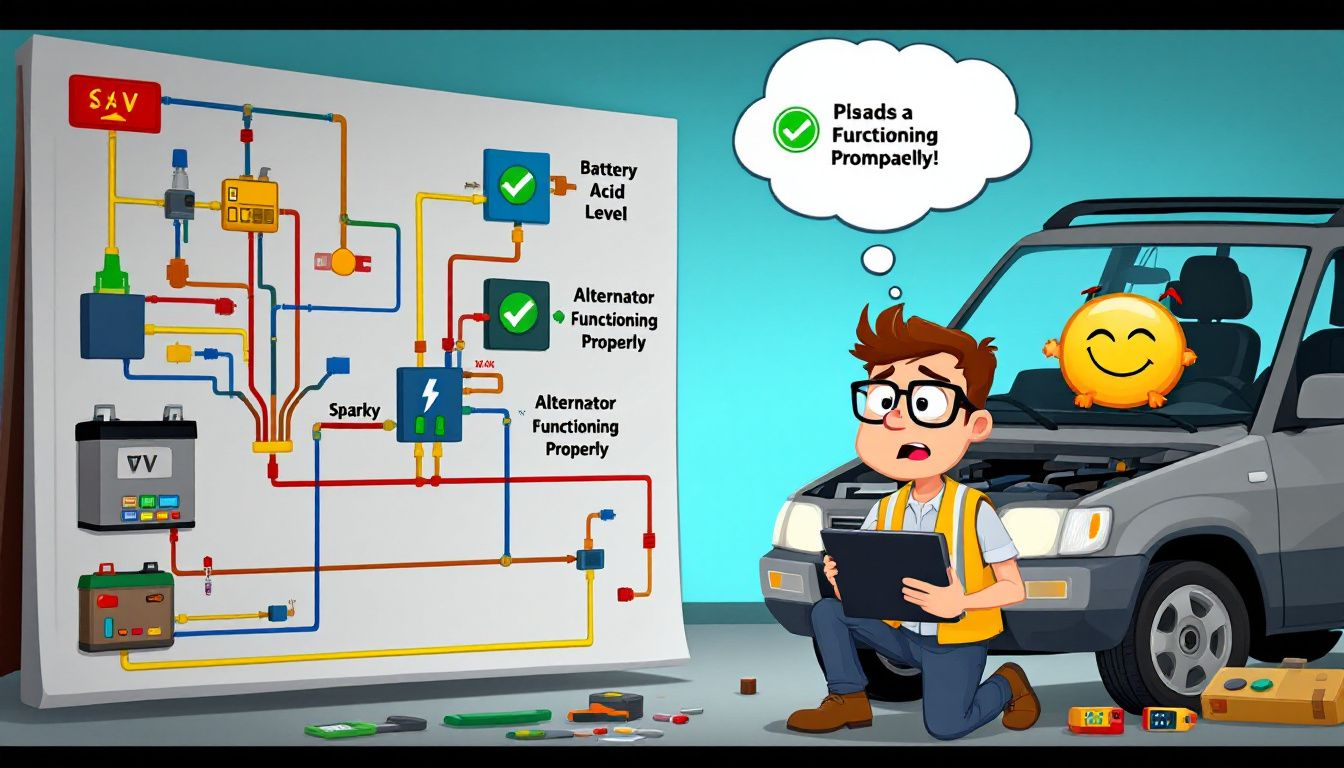
Electrical failures frequently affect SUVs, impacting reliability and driving up maintenance costs. Models like the Cadillac SRX, Acura MDX, and Jeep Liberty are frequently reported for electrical issues, ranging from faulty sensors to wiring problems.
For instance, the Jeep Grand Cherokee experiences issues such as faulty sensors and intermittent power failures, while the Audi Q7 and BMW X5 face various electrical malfunctions. These problems can be both minor inconveniences and serious safety concerns, often leading to high repair bills.
Addressing electrical issues promptly prevents high repair costs and ensures long-term reliability. Frequent electrical system inspections and maintenance help avoid costly problems and ensure smooth operation.
Fuel Consumption Concerns
Fuel consumption concerns SUV owners because of the vehicle’s size and weight. SUVs consume more gasoline than regular passenger cars, contributing to higher fuel costs and environmental impact. Factors such as wind resistance, increased mass, and heavy suspensions make SUVs less fuel-efficient compared to smaller vehicles and light trucks.
The production and operation of SUVs worsen fuel efficiency and require more resources, contributing to environmental degradation. Unmodified SUVs emit around 700 megatonnes of carbon dioxide each year. This substantial amount contributes greatly to global warming.
Routine maintenance, like fixing exhaust issues, can boost fuel efficiency and cut costs. Mindfulness of fuel consumption and steps to mitigate environmental impact help SUV owners make sustainable choices.
Exhaust System Issues
Exhaust system issues often trouble SUVs due to larger outputs, causing leaks and reduced fuel efficiency. Symptoms of exhaust problems include unusual noises, a strong exhaust smell, and the illumination of the check engine light.
Frequent visual checks for cracks, rust, and loose components help identify and address exhaust issues early. Ignoring these problems can lead to engine damage and increased emissions, further affecting fuel efficiency and environmental impact.
Regular inspections and timely repairs of the exhaust system prevent significant issues and ensure efficient operation. Keeping an eye on these potential problems is crucial for both performance and sustainability.
Visibility and Safety Concerns
Visibility and safety are major concerns for SUV drivers due to vehicle design. The A-pillars in SUVs can create blind spots, making it difficult for drivers to see pedestrians and increasing the risk of accidents. Larger vehicles are more prone to striking pedestrians while turning, highlighting the visibility challenges.
Pedestrian crash fatalities have risen markedly, with larger vehicles contributing significantly due to their height and design. Improving vehicle design and infrastructure can help reduce these accidents and enhance safety for all road users.
Reversing cameras and other technologies have been implemented to enhance rearward vision and overall safety. Awareness of visibility issues and basic precautions help SUV drivers mitigate risks and ensure a safer driving experience.
Common Mechanical Problems

Besides major issues, SUVs face various common mechanical problems. Power steering difficulties, such as whining noises and stiffness in steering, can make vehicle handling challenging, especially at lower speeds. Unusual sounds like roaring or hissing can indicate issues like leaks or blockages in the exhaust system.
Neglecting these mechanical problems can affect reliability and increase the risk of serious damage. Regular fluid checks and prompt inspection of unusual sounds are essential preventive measures.
Recognizing and proactively addressing common mechanical issues helps SUV owners avoid costly repairs and ensure reliability and safety.
High Maintenance Costs
High maintenance costs are a major drawback of owning an SUV, with higher maintenance costs being a significant concern. Many SUV owners should set aside about $900 yearly for routine maintenance and repairs. Specific models, such as the Jeep Grand Cherokee and Jeep Wrangler, have maintenance expenses exceeding $10,000 over the first decade of ownership.
The Ford Escape, for instance, can incur maintenance and repair costs of about $9,100 due to frequent engine issues. Luxury features and advanced technology in models like the Audi Q7 and Mercedes-Benz GL-Class also contribute to high maintenance costs.
Understanding and budgeting for these costs help SUV owners avoid financial strain. Routine maintenance and timely repairs are key to managing these expenses and ensuring vehicle longevity.
Summary
In summary, SUVs offer numerous benefits, but they also come with a unique set of challenges and maintenance concerns. From transmission troubles and suspension issues to high maintenance costs, understanding these common problems can help you take proactive steps to avoid costly repairs and ensure a smoother ride.
By staying informed and keeping up with regular maintenance, SUV owners can enjoy the best of both worlds: the versatility and capability of an SUV without the burden of frequent repairs and high costs. Stay vigilant, address issues promptly, and your SUV will serve you well for years to come.
Frequently Asked Questions
Which SUV has the longest life expectancy?
The Toyota Sequoia is known for having one of the longest life expectancies among SUVs, along with the Ford Expedition and Toyota 4Runner. If longevity is a priority for you, these models are worth considering.
What are the common signs of transmission problems in SUVs?
Common signs of transmission problems in SUVs include slipping gears, high engine revs without acceleration, and unusual noises like buzzing or clunking. If you notice these symptoms, it’s advisable to seek professional assistance promptly.
Why do SUVs have higher maintenance costs compared to smaller vehicles?
SUVs incur higher maintenance costs primarily because of their larger size, weight, and complex features that often necessitate more extensive and costly repairs. Therefore, budgeting for these expenses is essential for SUV owners.
How can I improve the fuel efficiency of my SUV?
Improving your SUV’s fuel efficiency can be achieved through regular maintenance like timely oil changes and addressing exhaust issues. These actions not only enhance performance but also help lower your fuel costs.
What are the potential safety concerns with SUV design?
SUV design raises potential safety concerns primarily related to visibility issues stemming from blind spots created by A-pillars, which can increase the risk of pedestrian accidents. Addressing these design flaws is crucial for enhancing overall safety.

Written by Jake Ryder
Jake Ryder is the founder and lead reviewer at Road SUV. He has spent more than a decade behind the wheel of everything from subcompact crossovers to full-size 4x4s, logging thousands of highway and off-road miles across the United States. His reviews focus on what actually matters to real drivers: cargo space you can use, safety features that work, and honest talk about fuel economy and pricing.