


Key Takeaways
- Sedans generally win on price and fuel efficiency, while SUVs win on space, comfort, and handling challenging terrain
- For most city and highway trips (e.g., Los Angeles to San Diego, Paris to Lyon), a standard or full-size sedan is usually sufficient and more economical
- SUVs are worth the higher rental and fuel cost when you have 4–7 passengers, bulky luggage, or are driving in snow, mountains, or on occasional unpaved roads
- Most rental companies prohibit serious off-roading even with SUVs, so “off-road capability” usually means rougher but still driveable roads
- Booking early and comparing categories (compact sedan vs compact SUV, midsize vs full-size) can significantly reduce the cost difference between SUVs and sedans
Introduction: SUV vs Sedan Rentals in Real-World Trips
The question of suv vs sedan rentals comes up every time you plan a rental car booking for a trip that matters. Whether you’re mapping out a week-long family holiday, a quick city break, or a cross-country adventure, the vehicle you choose affects everything from your daily budget to how comfortable you feel after eight hours on the road.
Consider the difference between a 5-day city trip in New York or London versus a 10-day national-park loop in the US Southwest—Las Vegas to Grand Canyon to Zion to Bryce and back. The first trip involves tight parking garages, heavy traffic, and minimal luggage. The second means long drives through varying terrain, multiple passengers, and enough gear to fill a small apartment.
This article focuses specifically on rental decisions rather than car ownership. We’ll cover daily rates, fuel consumption, insurance costs, parking challenges, road conditions, and rental company rules. By the end, you’ll have a clear side-by-side comparison plus practical guidance on when to choose which type, so you can book with confidence for your upcoming trip.
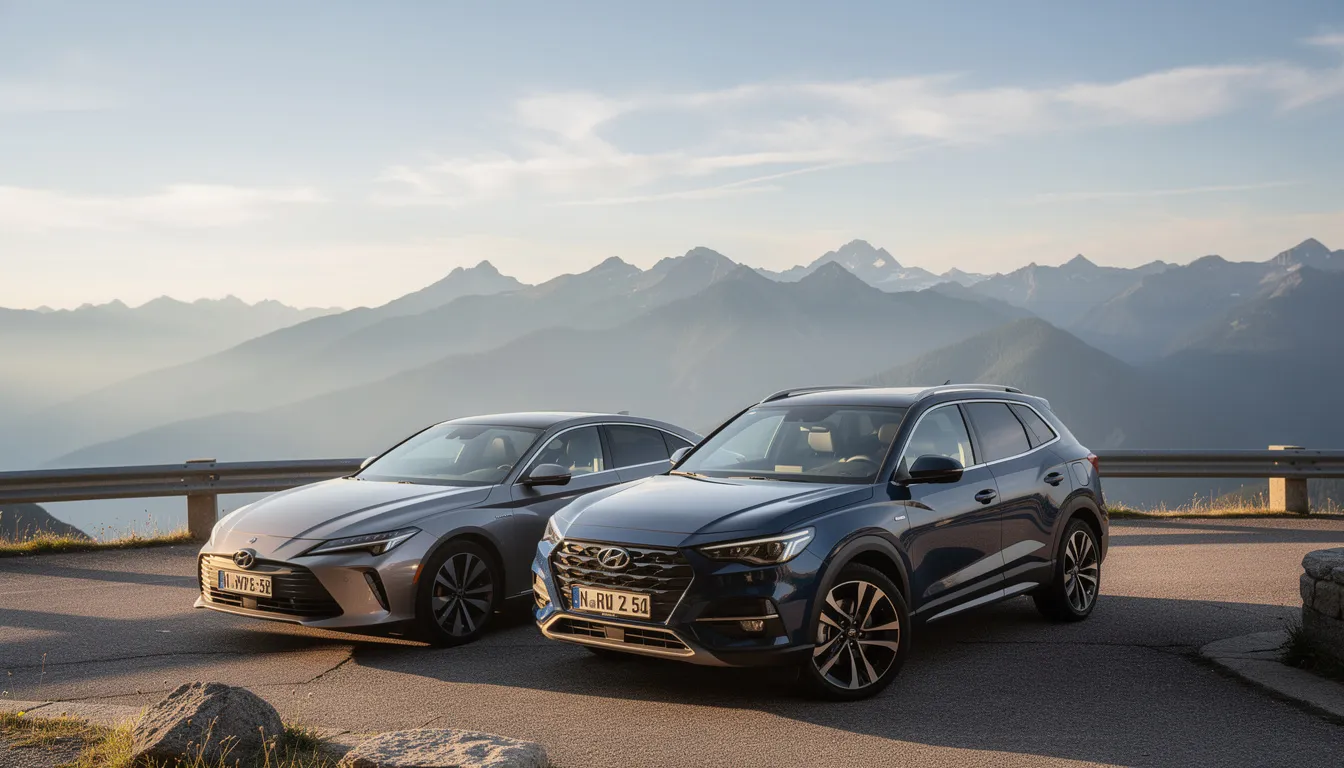
Quick Comparison: When to Choose an SUV vs a Sedan
Before diving into the details, here’s a quick checklist to help you decide. Many travelers can make their choice based on these factors alone.
Choose a sedan if:
- You’re traveling with 1–3 people and modest luggage
- Your route is mostly city streets and highways with well-maintained pavement
- You’ll be parking in tight urban spaces like Rome, Tokyo, or downtown San Francisco
- Long distances are involved and fuel cost matters to your budget
- You prefer easier handling and a smaller footprint for maneuvering
Choose an SUV if:
- You’re a family of 4–7 with multiple suitcases, strollers, or sports equipment
- Your trip includes a ski holiday to the Alps or Colorado in January
- You’ll encounter mountain routes, gravel access roads, or mixed paved/dirt sections
- Destinations like Iceland, New Mexico, or national park areas with rougher roads are on your itinerary
- Passenger comfort on long drives is a higher priority than minimizing cost
Either works well for:
- Popular destinations like Orlando theme parks or coastal California
- Medium-distance trips on good roads with 3–4 travelers and moderate luggage
- Situations where your decision will lean on budget vs comfort and space preferences
Sedan Rentals: Pros, Cons, and Ideal Trips
In rental fleets, “sedan” typically refers to compact, midsize, and full-size four-door cars. Think Toyota Corolla, Hyundai Elantra, Chevrolet Malibu, or Ford Fusion. These vehicles seat up to five people and offer enclosed trunk storage separate from the passenger cabin.
Key Advantages of Sedans
- Lower daily rental rates: Sedans consistently cost less to rent than SUVs across most rental companies and locations
- Better gas mileage: Modern compact and midsize sedans average around 30–38 mpg (6–7 L per 100 km), translating to meaningful savings on longer trips
- Easier city driving: The lower center of gravity and smaller dimensions make sedans more responsive in traffic and simpler to maneuver through congested streets
- Parking convenience: Finding spots in busy city centers, narrow hotel garages, and parallel parking situations is considerably easier with a sedan
- Hidden trunk security: An enclosed trunk keeps luggage out of sight, which is particularly valuable in tourist cities with higher theft risk like San Francisco or Barcelona
Limitations to Consider
- Restricted rear-seat and trunk space when traveling with 4–5 adults and large suitcases
- Less ground clearance on poorly maintained rural roads
- Potentially less comfortable for very tall passengers on extended drives
- Limited cargo flexibility compared to SUVs with fold-down seats
Ideal Sedan Trips
Sedans excel in specific travel scenarios:
- Weekend city breaks where you’ll spend more time walking than driving
- Business trips with one carry-on and a laptop bag
- Couples on a 7-day highway tour through well-paved routes like Munich to Vienna to Prague
- Long interstate drives where fuel efficiency adds up to real money saved
- Solo travelers or pairs prioritizing budget over space
If you’re a tall driver or traveling with four adults, consider sizing up within the sedan category—moving from compact to full-size often costs less than jumping to an SUV while providing noticeably more legroom.
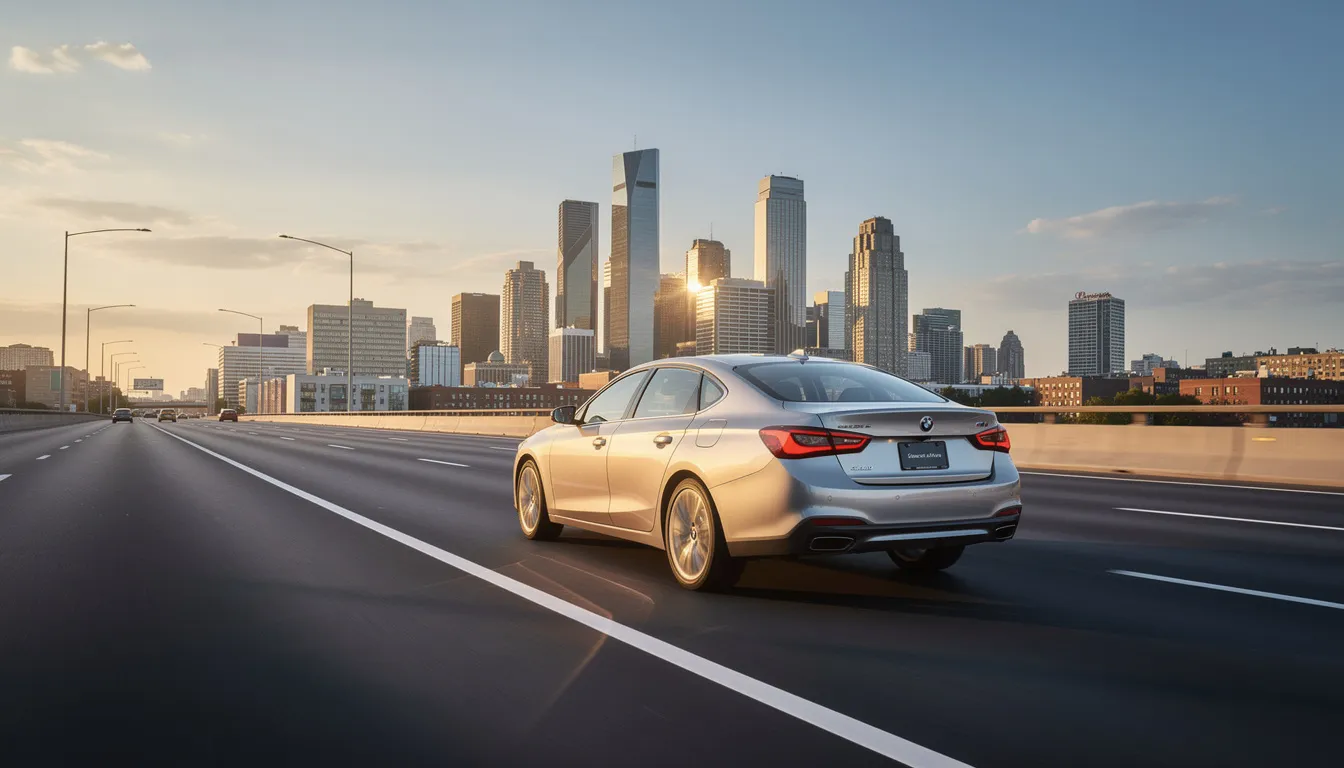
SUV Rentals: Pros, Cons, and Ideal Trips
Rental SUVs come in several classes: compact (Nissan Rogue, Kia Sportage), midsize (Hyundai Santa Fe, Toyota RAV4, Ford Escape), and full-size (Ford Explorer, Chevrolet Tahoe, Ford Expedition). Some fleets also include 7-seater models and crossover vehicles that blur the line between categories.
Key Advantages of SUVs
- Higher driving position: The elevated view provides better road awareness and can reduce fatigue on long drives
- More passenger space: Increased legroom and headroom make SUVs more comfortable for taller travelers and families with children
- Greater cargo volume: Full-size SUVs accommodate five or more large bags, plus sports gear, strollers, and outdoor equipment
- Higher ground clearance: Better suited for gravel roads, washboard surfaces, and rough access roads to trailheads or cabins
- Available all-wheel drive: Many SUVs offer AWD for winter driving conditions in snowy regions like Denver, Zurich, or the Norwegian fjords
Trade-offs to Consider
- Higher daily rental rates, sometimes significantly so during peak seasons
- Increased fuel consumption averaging 22–28 mpg (8–11 L per 100 km)
- Potentially higher insurance deposits and coverage costs due to vehicle value
- More challenging to park in tight spaces and navigate narrow streets
Important Rental Contract Note
Standard rental SUVs are not rock-crawling off-roaders. Most contracts explicitly exclude serious off-roading, deep sand, and unmarked tracks. Even if you rent a capable-looking 4×4, driving it where the contract prohibits can void your coverage and leave you liable for damages.
Ideal SUV Trips
SUVs make sense for:
- Family road trips with 2–3 children, car seats, and strollers
- Ski holidays with bulky gear during January through March
- Group trips with 5–7 adults who need personal space
- Mixed itineraries combining highways with occasional dirt roads in national park areas
- Winter travel in mountainous regions where AWD and higher clearance provide peace of mind
Space, Comfort, and Luggage Capacity
Space and comfort are often the main reasons travelers upgrade from a sedan to an SUV, especially on journeys involving more than 3–4 hours of driving per day. The difference becomes particularly noticeable when people try to stretch their legs or access their bags mid-trip.
Capacity Comparison
| Vehicle Type | Comfortable Passengers | Typical Luggage Capacity |
|---|---|---|
| Compact Sedan | 2–4 adults | 2–3 medium suitcases |
| Full-Size Sedan | 4–5 adults | 3–4 suitcases |
| Compact SUV | 4–5 adults | 3–4 suitcases |
| Midsize SUV | 5 adults | 4–5 suitcases |
| Full-Size SUV | 5–7 adults | 5+ suitcases |
Comfort Factors Beyond Numbers
When choosing between vehicles, consider:
- Seat height: SUVs offer easier entry and exit, especially for older passengers or those with mobility concerns
- Rear-seat legroom: Critical for passengers over 6 feet tall on drives longer than two hours
- Child seat installation: SUVs typically provide more space for multiple car seats and easier access for buckling in children
- Entry/exit frequency: Road trips with kids involve lots of stops—consider how easy getting in and out will be
A Practical Example
A 10-day summer trip along the US West Coast for a family of four with two large suitcases and a stroller is usually more comfortable in a midsize SUV than in a compact sedan. The extra cargo space means luggage doesn’t encroach on passenger areas, and the higher seating position helps children see out the windows—reducing complaints about the view.
One important rule: luggage must not block rear visibility or exceed roof load limits. Use trunk covers and fold-down seats strategically rather than overstuffing the cabin.
Terrain, Weather, and Road Conditions
For snow and mountain weeks, start with renting an SUV for a ski trip.
Where you’re driving matters as much as who you’re driving with. Terrain and weather should heavily influence your suv vs sedan rentals decision, especially in destinations with mountains, snow, or extensive rural areas.
City and Highway Conditions
For routes on well-maintained roads, sedans perform just as well as SUVs:
- Los Angeles to San Francisco on Highway 101
- Paris to Nice on French motorways
- The I-95 corridor along the US East Coast
- German Autobahn stretches between major cities
In these scenarios, a sedan offers lower costs without sacrificing safety or comfort.
Rough or Partially Unpaved Roads
An SUV’s higher clearance and available AWD provide advantages on:
- Gravel access roads in New Mexico and Arizona
- Scenic routes in Iceland outside the Ring Road
- Mountain passes in Colorado or Utah
- Access roads to remote lodges, lakes, or trailheads
The difference isn’t just about capability—it’s about peace of mind and not worrying about scraping the undercarriage every time you hit a pothole.
Winter Driving Considerations
Driving in January or February in areas like the Rockies, the Alps, or Scandinavia presents unique challenges:
- SUVs with winter tires and AWD provide added confidence on snowy mountain roads
- Proper winter tires often matter more than vehicle type for safety
- Many mountain passes require snow chains regardless of what you’re driving
- Check local regulations before assuming AWD means you’re fully prepared
Rental Contract Limitations
Most major rental brands do not allow:
- Driving on unmarked off-road trails
- Deep sand or beach driving
- River crossings or flooded roads
- Unmaintained logging or mining roads
Damages from prohibited use typically aren’t covered, even if your rental is a capable-looking 4×4 SUV. Always check your contract and the rental company’s specific policies before heading off the pavement.

Fuel Efficiency and Total Trip Cost
For long-distance travel, fuel can become one of your largest variable costs. Understanding the difference in fuel efficiency between sedans and SUVs helps you budget accurately and avoid surprises at the gas station.
Typical Fuel Consumption
| Vehicle Type | Average MPG (US) | Average L/100km |
|---|---|---|
| Compact/Midsize Sedan | 30–38 mpg | 6–7 L/100km |
| Non-Hybrid SUV | 22–28 mpg | 8–11 L/100km |
| Hybrid Sedan | 45–55 mpg | 4–5 L/100km |
| Hybrid SUV | 35–40 mpg | 6–7 L/100km |
Calculating Your Fuel Cost
Here’s a simple approach to estimate fuel expenses:
- Determine your expected total distance (e.g., 1,000 miles for a week-long loop from Las Vegas through several national parks)
- Divide by your vehicle’s expected MPG to get gallons needed
- Multiply by the local fuel price per gallon
Example calculation:
- 1,000 miles in a sedan averaging 32 mpg = 31.25 gallons × $4.00 = $125
- 1,000 miles in an SUV averaging 24 mpg = 41.67 gallons × $4.00 = $167
- Difference: $42 in fuel costs alone
The Hybrid Question
Hybrid sedans and hybrid SUVs can significantly reduce fuel usage, but they often carry higher daily rental rates. The key is comparing total trip cost (rental + fuel) rather than focusing solely on the daily rate. A more expensive hybrid might save you money over a two-week trip.
Regional Fuel Price Impact
In countries with high fuel prices—much of Europe, for example—the consumption difference between sedans and SUVs can exceed the rental price difference on longer itineraries. A trip through Italy or France covering 2,000 kilometers will feel that 4 L/100km difference at every fill-up.
To keep costs predictable, book early and look for unlimited mileage packages, especially for extended road trips where you’ll cover significant distances.
Price, Insurance, and Hidden Costs
The daily rate leaves out unlimited mileage, the security deposit, and the cheapest time to book.
The advertised daily rate is only part of the equation when comparing suv vs sedan rentals. SUVs commonly carry higher base prices and sometimes higher deposits or insurance add-ons that inflate the final bill.
Typical Price Differences by Category
| Category | Relative Daily Cost | Best For |
|---|---|---|
| Compact Sedan | $ | Solo/couples, city trips |
| Midsize Sedan | $$ | Small families, business |
| Full-Size Sedan | $$$ | Taller drivers, more luggage |
| Compact SUV | $$$ | Small families, light gear |
| Midsize SUV | $$$$ | Families, moderate terrain |
| Full-Size/7-Seat SUV | $$$$$ | Large groups, lots of gear |
Peak seasons like July–August and Christmas–New Year can double or triple these differences, especially for SUVs which book out quickly.
Insurance Considerations
When renting larger vehicles, be aware that:
- Collision damage waiver (CDW) and liability coverage may cost slightly more for SUVs
- Higher vehicle values mean higher potential liability
- Some credit cards offer rental car coverage but may have vehicle value limits
- Third-party travel insurance might provide better rates than rental desk add-ons
Always understand what’s already covered through your credit card or existing insurance before purchasing extras at the counter.
Hidden Costs to Watch
- Toll expenses: Some countries charge more for heavier vehicles on toll roads
- Airport surcharges: Often percentage-based, so higher rental = higher fee
- One-way fees: Can be expensive for larger vehicle categories
- Equipment charges: Roof racks, ski carriers, and winter equipment are more commonly requested with SUVs and add daily fees
- Fuel policies: Make sure you understand whether to return empty, full, or prepay
A Cost-Saving Tip
Sometimes a larger sedan (full-size) with good trunk space plus carefully packed luggage is a more cost-efficient upgrade than jumping all the way to a big SUV. The Chevrolet Impala or Toyota Avalon, for example, offer substantial trunk space at a fraction of the Tahoe’s rental rate.
Driving Experience and Ease of Parking
Comfort behind the wheel, stress levels, and parking convenience can be as important as pure cost or space, especially for first-time drivers in an unfamiliar country or city.
The Sedan Driving Experience
Sedans offer:
- Lower seating position with a more sports-car-like feel
- Lighter, more agile handling in traffic
- Quieter ride at highway speeds due to smaller body and lower wind resistance
- Easier lane changes and tighter turning radius
- Less intimidating for drivers accustomed to smaller vehicles
The SUV Driving Experience
SUVs provide:
- Higher vantage point with a commanding view of the road ahead
- Increased feeling of security, especially around larger trucks
- More stable feel on rough surfaces
- Sometimes a bulkier, less nimble sensation in narrow streets
- Greater confidence in challenging weather conditions
Parking Realities
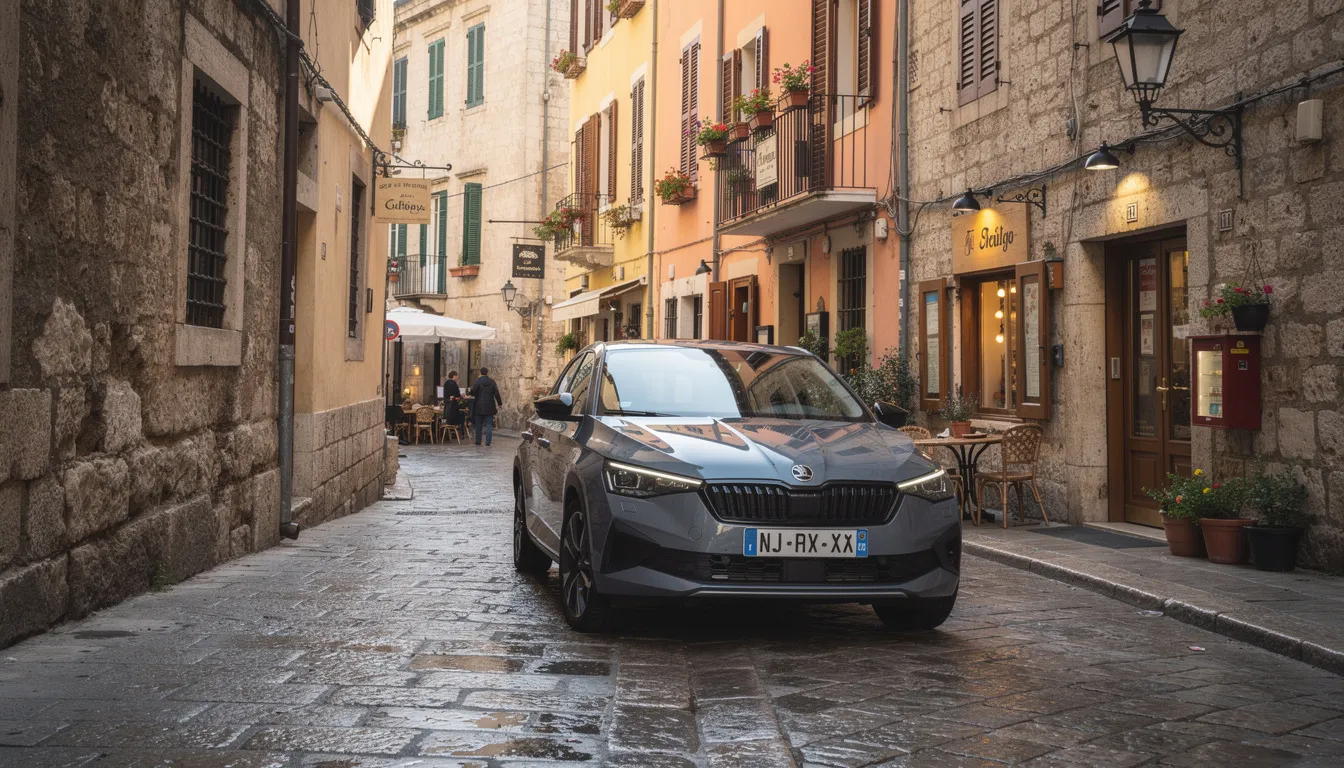
In dense historic city centers—Florence, Lisbon, old towns throughout Eastern Europe—sedans are significantly simpler to maneuver and park. Narrow medieval streets weren’t designed for modern full-size SUVs.
In contrast, wide suburban areas, shopping centers, and open highways make SUV size a non-issue. If your trip is primarily highways and well-spaced parking lots, size matters less.
Upgrade Advice
If you’re not accustomed to larger vehicles but want the benefits of an SUV, consider starting with a compact or midsize SUV (like a Toyota RAV4 or Ford Escape) rather than jumping to a full-size 7-seater. The driving experience is closer to a sedan while still offering more space and ground clearance.
Making the Final Choice: Match the Car to Your Itinerary
There is no universally “better” option between SUVs and sedans. The right choice depends on your specific passengers, luggage, distance, destination, budget, and personal driving comfort. Here’s a simple framework to make your decision.
Decision Framework
Consider these four factors:
- Number of travelers: 1–2 people lean sedan; 4–7 people lean SUV
- Luggage volume: Carry-ons and small bags suit sedans; large checked bags plus sports gear need SUV space
- Road types: Pure motorway driving favors sedans; rural roads and unpaved segments favor SUVs
- Expected weather: Mild conditions work for either; snow and ice in mountains favor AWD SUVs
Quick Decision Examples
| Trip Scenario | Recommended Choice |
|---|---|
| 3-day business trip in Chicago with carry-on | Compact or midsize sedan |
| 14-day Rockies hiking trip with 4 people and backpacks | Midsize or full-size SUV |
| Week-long couples trip along California coast | Full-size sedan or compact SUV |
| Family ski vacation in Colorado with gear | Midsize SUV with AWD |
| Solo road trip covering 2,000 miles on interstate | Compact sedan for fuel savings |
Booking Best Practices
- Book early: Especially for peak dates like school holidays, Christmas, or festival periods—SUVs sell out quickly and prices increase sharply
- Read rental terms: Confirm mileage limits and understand the “or similar” clause that means you might receive a different model within your category
- Compare total costs: Add estimated fuel to the rental rate before deciding
- Check cancellation policies: Many bookings allow free cancellation, letting you reserve an SUV early and adjust later if plans change
FAQ
Is it worth paying extra for an SUV rental on a mostly highway road trip?
For two or three travelers on good highways, a sedan usually makes more financial sense because of lower rental and fuel costs. The savings can be substantial on trips over 1,000 miles. However, an SUV may still be justified if passengers are tall, have back issues, or carry bulky luggage that would overcrowd a sedan’s trunk and cabin. Calculate both rental and fuel costs for your full trip before deciding whether the comfort upgrade is worth the premium.
Do I need an SUV to visit US national parks like Grand Canyon or Zion?
Most major US national parks have paved access roads and parking lots, so sedans are perfectly acceptable for main viewpoints and visitor centers. You can drive a compact car to the South Rim of the Grand Canyon or the main canyon in Zion without any issues. An SUV can be helpful on certain side roads, gravel access areas, or for winter visits when snow is possible. Keep in mind that rental contracts usually forbid true off-roading regardless of vehicle type. Check specific park road conditions and seasonal closures on official park websites before choosing a vehicle category.
Is a sedan safe enough in snow, or should I always choose an SUV?
Safety in snow depends heavily on winter tires, driver experience, and local regulations—not just on the body style of the car. Many modern sedans with proper winter equipment handle well in light to moderate snow conditions. SUVs with AWD add traction and confidence in deeper snow or on steep, icy mountain roads. If you’re heading to reliably snowy destinations in mid-winter, ask for winter tires at the rental counter and consider an SUV with AWD, especially in mountainous regions where steep grades combine with slippery conditions.
How early should I book if I specifically want an SUV?
In busy seasons (summer holidays, national holidays, ski season), aim to book SUVs at least 4–8 weeks in advance for popular airports and tourist hubs. SUVs have smaller fleet allocations than sedans, so they sell out faster. Last-minute bookings often limit your choice to smaller sedans or the most expensive large SUVs remaining in inventory. Check for free cancellation options so you can reserve an SUV early and adjust or downgrade later if your plans or budget change.
Can I rely on getting the exact model shown when I book online?
Rental listings typically state “or similar,” meaning the company guarantees a category (e.g., midsize SUV, full-size sedan) rather than a specific make and model. Within a category, space and features are broadly comparable, but details like infotainment systems, exact trunk dimensions, or USB port locations may differ between a Hyundai Santa Fe and a Ford Escape. If you have very specific needs—like fitting a particular stroller size or requiring a certain number of USB ports—choose a slightly larger category to ensure adequate space even if the exact model changes at pickup.
Book the right SUV
Compare SUV rental deals for the class this trip actually needs.

Written by Jake Ryder
Jake Ryder is the founder and lead reviewer at Road SUV. He has spent more than a decade behind the wheel of everything from subcompact crossovers to full-size 4x4s, logging thousands of highway and off-road miles across the United States. His reviews focus on what actually matters to real drivers: cargo space you can use, safety features that work, and honest talk about fuel economy and pricing.